How to Pack Your Camera Bag for a Travel Photography Trip
Light, Nimble, and Quick
Start With the Bag Itself
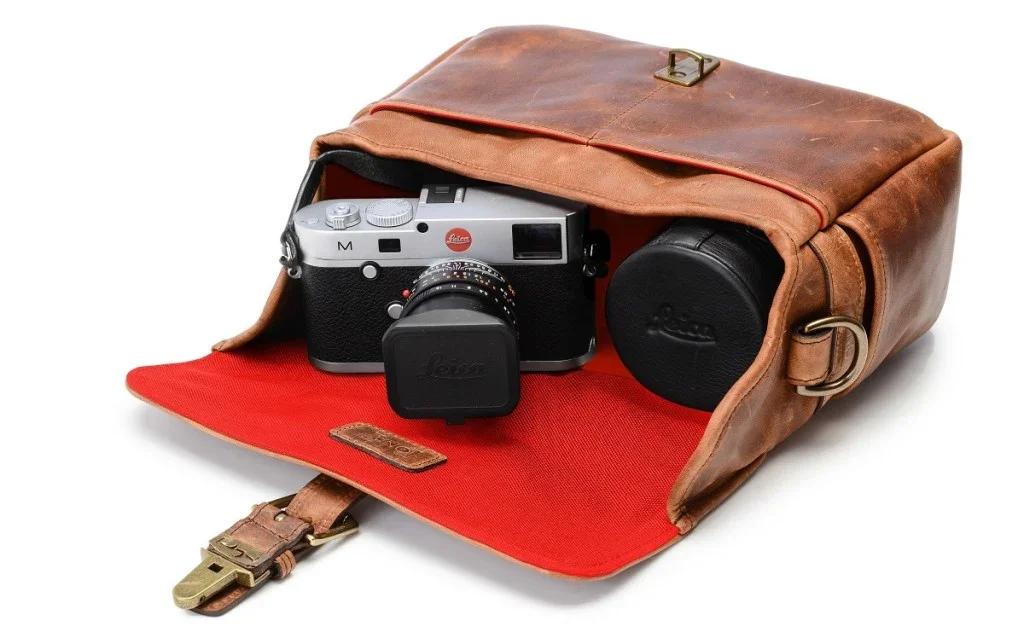
Before you load a single piece of glass, think hard about the bag. The best travel camera bag is inconspicuous, comfortable to carry all day, and TSA-friendly (meaning it fits in an overhead bin — never check your camera gear). Lowepro, Think Tank, and F-Stop all make excellent options. If you're carrying a Leica as a street shooter alongside a Nikon kit for longer work, a hybrid backpack with a top-loading main compartment and a quick-access side pocket for the rangefinder is ideal.
Aim for a 20–30L bag. Anything bigger and you'll be tempted to over-pack. Anything smaller and you'll be playing a frustrating game of Tetris on every travel day.
💡 Pro Tip
Look for bags with a dedicated laptop sleeve and a weatherproof exterior. Rain happens — often at the worst moment.
The Leica Kit: Less Is More
One of the great joys of shooting Leica is the compactness of the system. A Leica M (film or digital) with a 35mm Summicron and a 50mm Summilux fits in a single padded insert with room to spare. That's two focal lengths covering almost everything you'd want from street and documentary work.
What to bring
Keep the Leica kit lean: body, two lenses (a wider "see everything" lens and a slightly longer one for portraits), extra batteries, and a UV filter on each lens. Leica bodies are hardened little tanks, but the glass deserves protection. A lens cloth and a small rocket blower tucked into a side pocket will handle 90% of dust situations on the road.
Leica Travel Essentials
Leica M body (+ spare)
28mm or 35mm lens
50mm lens
3–4 spare batteries
Charger + travel adapter
UV filter per lens
Lens cloth & rocket blower
Extra SD / CFexpress cards
If you're shooting film, bring at least twice as many rolls as you think you need — you will shoot more than you expect, and film can be surprisingly hard to find abroad in the speeds you want. Store unexposed rolls in a small zip-lock bag separate from exposed ones. Label everything.
Watch my video on the best Leica lens kits here
The Nikon Kit: Versatile but Disciplined
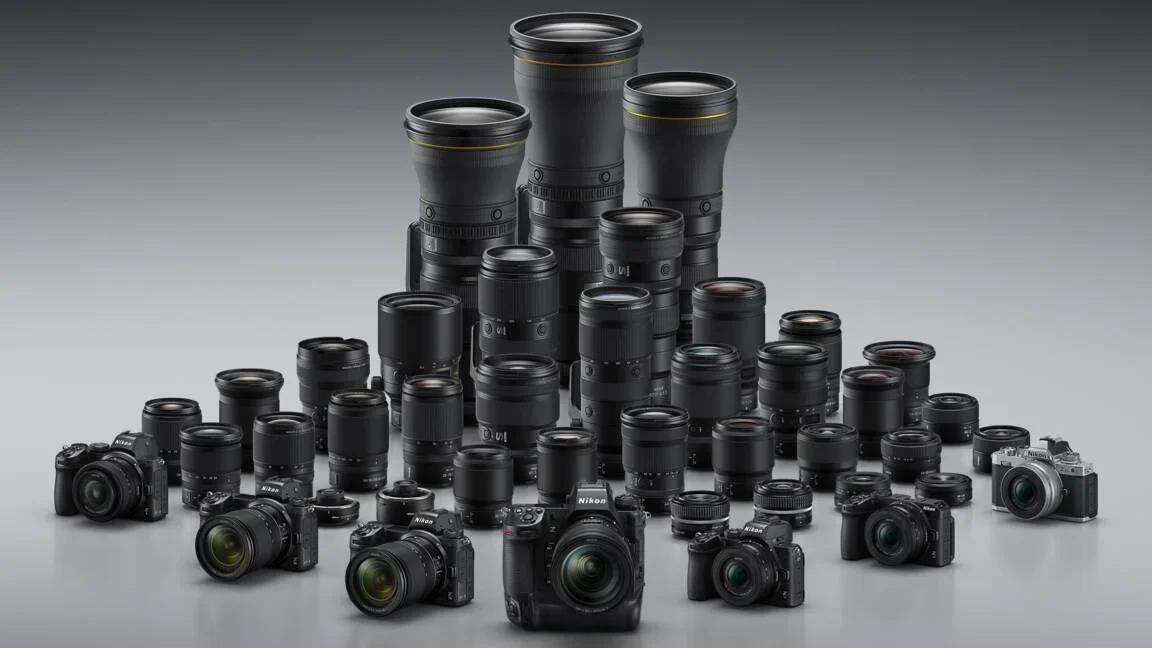
Nikon shooters — whether on Z-series mirrorless or the classic F-mount DSLRs — face a different packing challenge: the system is immensely capable, which makes it tempting to bring too much. Resist. A travel photography trip is not the time to haul a 70–200mm f/2.8 and a macro lens through airport security.
**If you want to see why I dumped Panasonic Lumix cameras for a Nikon Z setup click here.
The two-lens rule
For most travel shooting, a fast 24–70mm f/2.8 (or the lighter 24–70mm f/4) paired with a 70–200mm covers an enormous range of situations — from tight alleyways to distant architecture to wildlife. If you prefer primes, a 24mm and a 85mm make a classic, lightweight pairing. Either way, pick two lenses and commit to them. The constraints will push your creativity.
Nikon Travel Essentials
Nikon Z or F body
Z 24–70mm f/2.8 or f/4
Z 70–200mm (optional) or 100-400mm (optional) or 180-600mm for outdoors (optional)
2–3 spare batteries + grip
USB-C charger (Z-series)
2 or 3 high-speed memory cards
Circular polarizer filter
Lightweight travel tripod - go carbon fiber if you can budget it
💡 Pro Tip
Nikon Z-series bodies can charge via USB-C. One good GaN USB-C type charger with the right cables can charge your camera, phone, and laptop simultaneously — a real weight-saver.
Packing the Bag: Order Matters
Think of your bag in zones. The bottom layer holds the stuff you rarely need mid-shoot: a packable rain cover, chargers, cable ties, and your lens cleaning kit. The middle layer is where the gear lives — camera bodies in padded dividers, lenses snugly beside them, caps on and filters protected. The top layer and hip pockets are for the things you need in seconds: memory cards, a lens cloth, a snack, your phone.
If you're running both a Leica and a Nikon system, give each its own padded insert. Leicas are tough, but you don't want a Nikon body knocking against a rangefinder in turbulence. Physical separation also makes you faster in the field — you'll know exactly where each camera lives.
"The goal isn't to carry every lens you own — it's to carry exactly what you need, and nothing more."
The Extras Worth Their Weight
A few small things make a disproportionate difference on a long trip. A good strap — Peak Design's Capture clip or a simple Leica neck strap — keeps your camera accessible without fatiguing your shoulders. A small portable hard drive or a fast card reader connected to your phone lets you back up images each evening, which is non-negotiable. Lose your bag and lose your trip? Unthinkable.
Pack a microfibre towel specifically for your gear. When you're shooting in a monsoon rain or a steamy market, having something dry and dedicated to wipe down bodies and lenses is worth its minimal weight ten times over.
Before You Zip Up
Do a final check against a simple mental list: bodies, lenses, batteries charged, cards formatted and ready, charger and cables, filters, cleaning kit, backup storage. Then ask yourself honestly — is there anything in this bag I haven't used in the last three trips? Take it out. The best travel photography usually comes from constraint, not abundance. Pack light, move freely, and let the places do the talking.
Happy shooting. ✦
Written for photographers who love to travel light