Quiet Brilliance of Henry Wessel Jr.
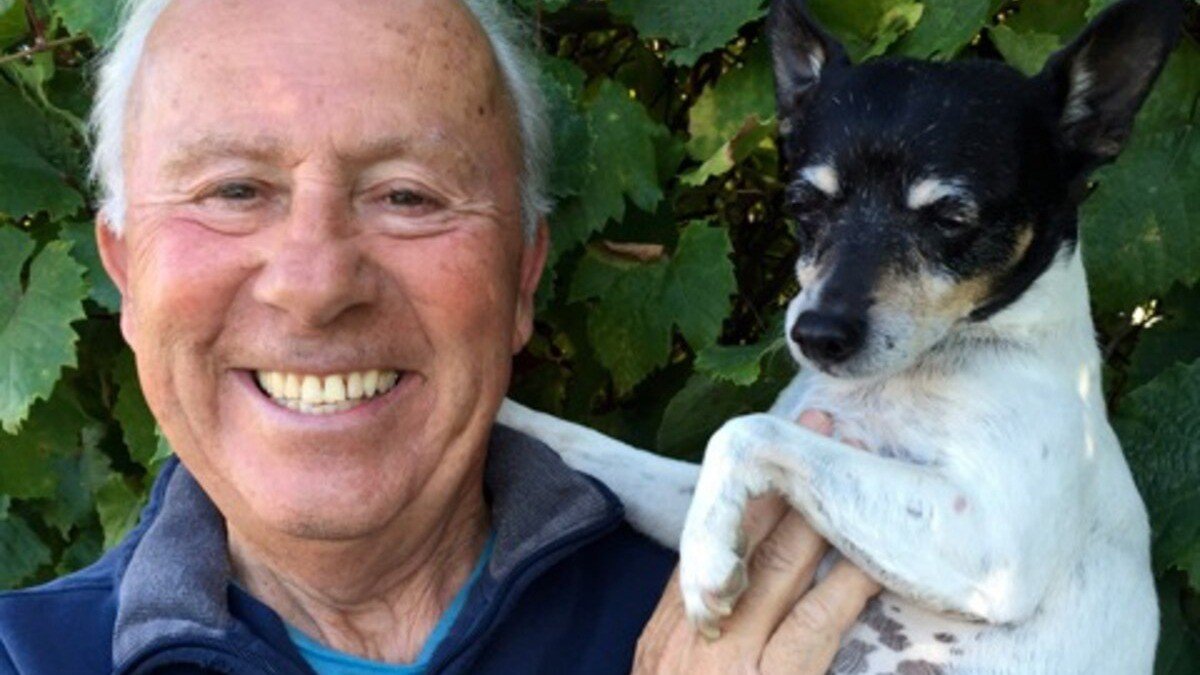
Henry & His Dog Roxie (Wikipedia)
As a first in my photographic writing series, I am profiling one of my most admired photographers - Henry Wessel Jr. I feel Henry and his work hasn't gotten the attention as some of the other Leica toting greats before him.
Henry was one of the defining figures of late-20th-century American photography, a quietly influential artist whose work reshaped how the everyday landscape could be seen. Often associated as a founder within the New Topographics movement, Wessel shared its interest in the built environment and vernacular spaces, but his photographs stand for their warmth, wit, and human presence. Where others leaned toward cool typologies, Wessel embraced curiosity and pleasure.
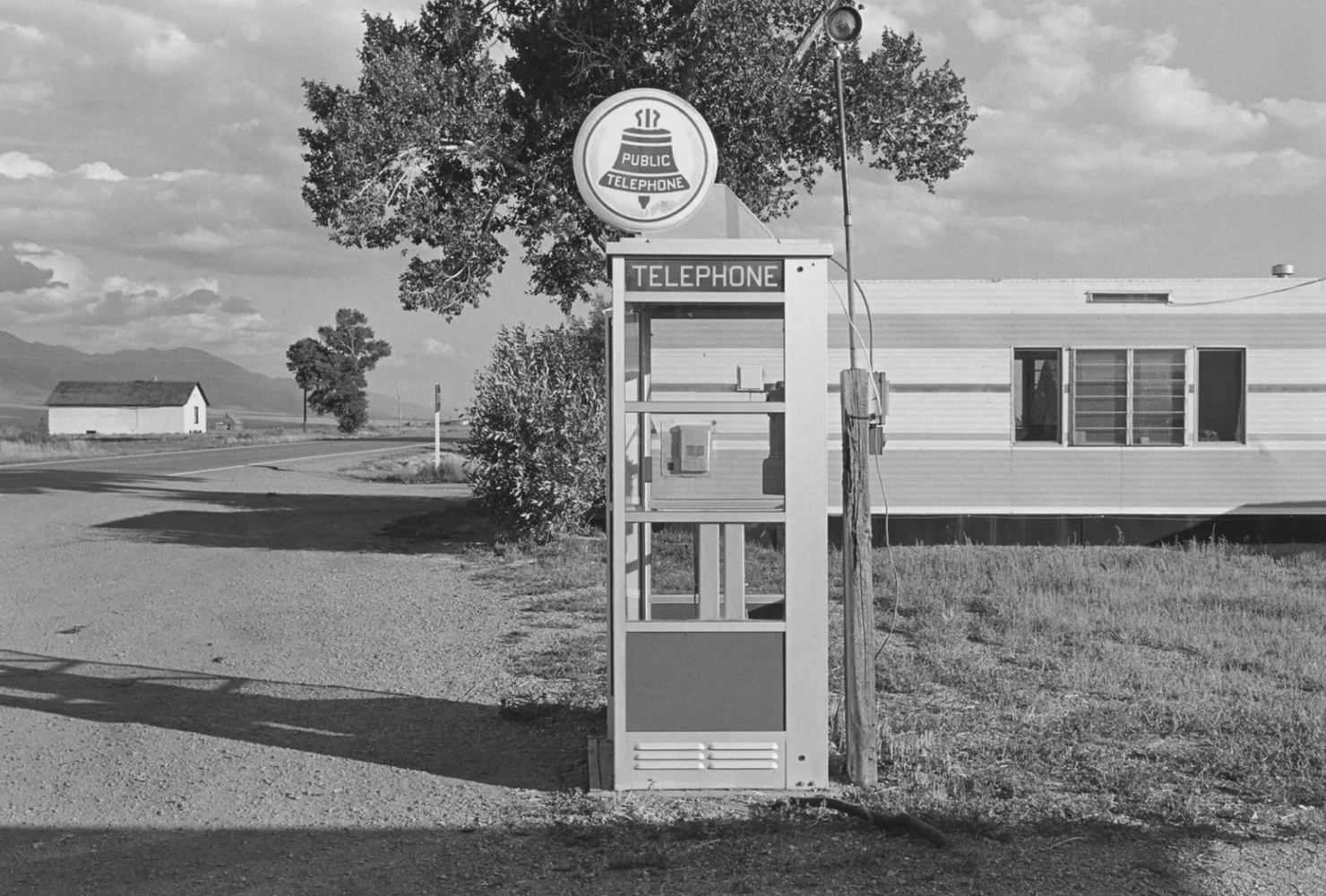
Rural Phone Booth - Henry Wessel Jr.
Working primarily in black and white during the dawn of color photography, (which lured away many B&W photographers at the time) Wessel developed a visual language rooted in clarity and restraint with the older format. His photographs are typically made with natural light and straightforward framing, yet they reward close attention. Sunlight plays a central role: sharp shadows carve up sidewalks, illuminate façades, and create graphic tensions within the frame. These shadows are not merely formal devices; they give his images a sense of time, place, and atmosphere that feels unmistakably Californian. Juxtaposition was a hallmark sight with many of Wessel's images.
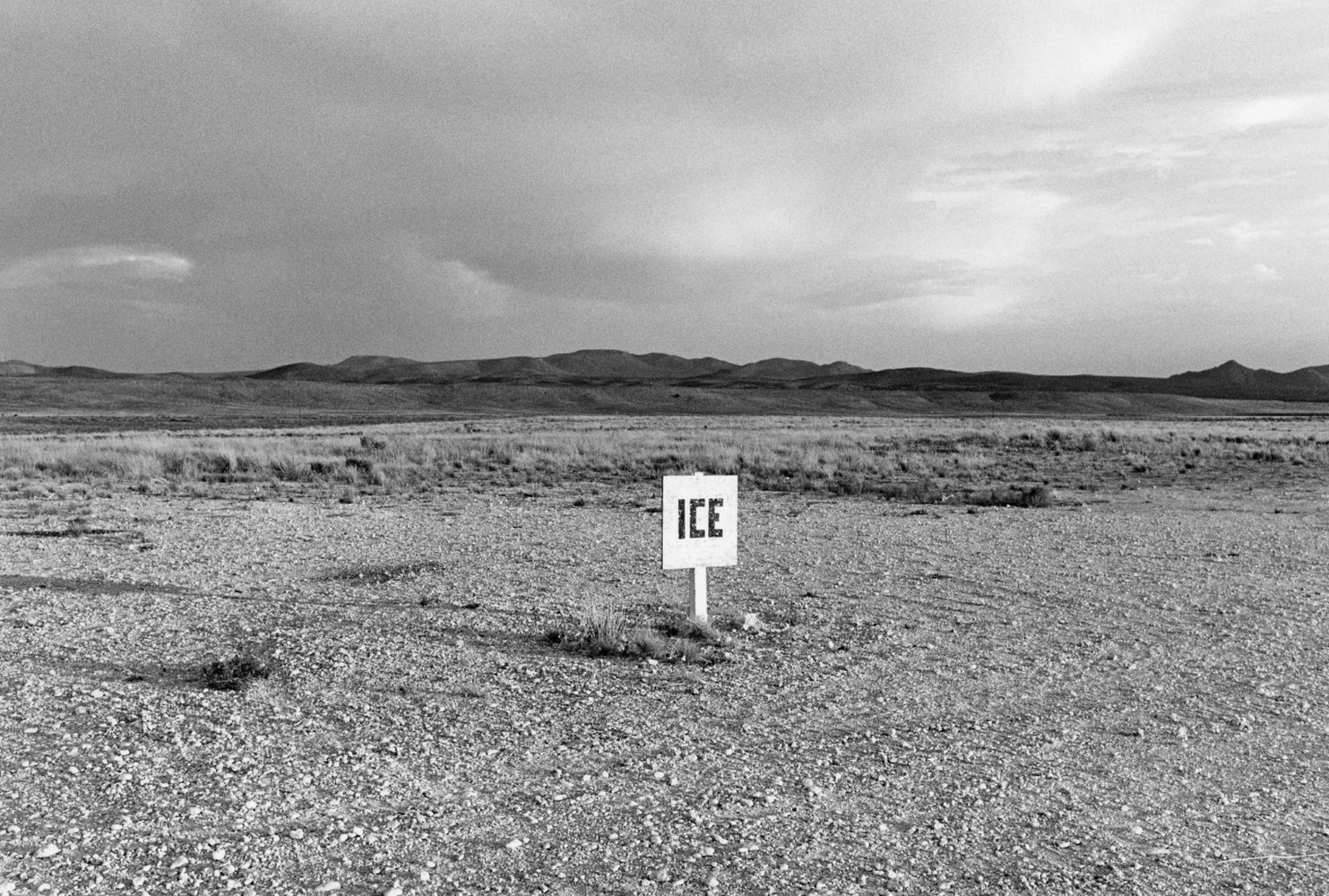
Desert Ice - Henry Wessel Jr.
What distinguishes Wessel’s work most is its gravity to the ordinary. He photographed modest houses, anonymous streets, parking lots, beach towns, and people passing through public space. Wessel makes me think of Palm Springs and Frank Gehry architecture. Nothing in his pictures seems staged or overly dramatic. Instead, meaning emerges through chance alignments—a figure echoing a sign, a gesture mirroring an architectural shape, or a subtle visual joke embedded in the scene. His humor is gentle and observational, never cynical.
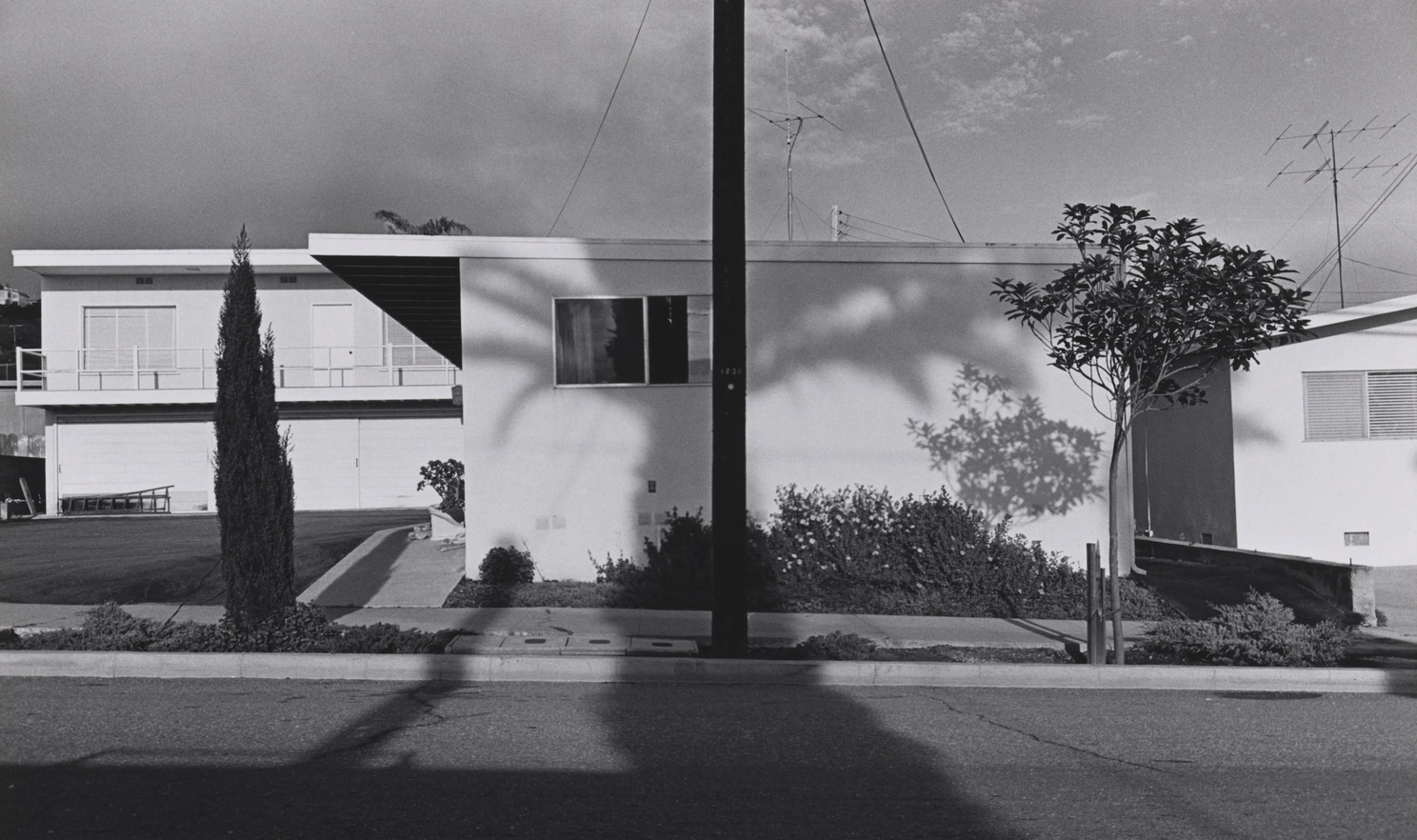
Ordinary or Extraordinary? - Henry Wessel Jr.
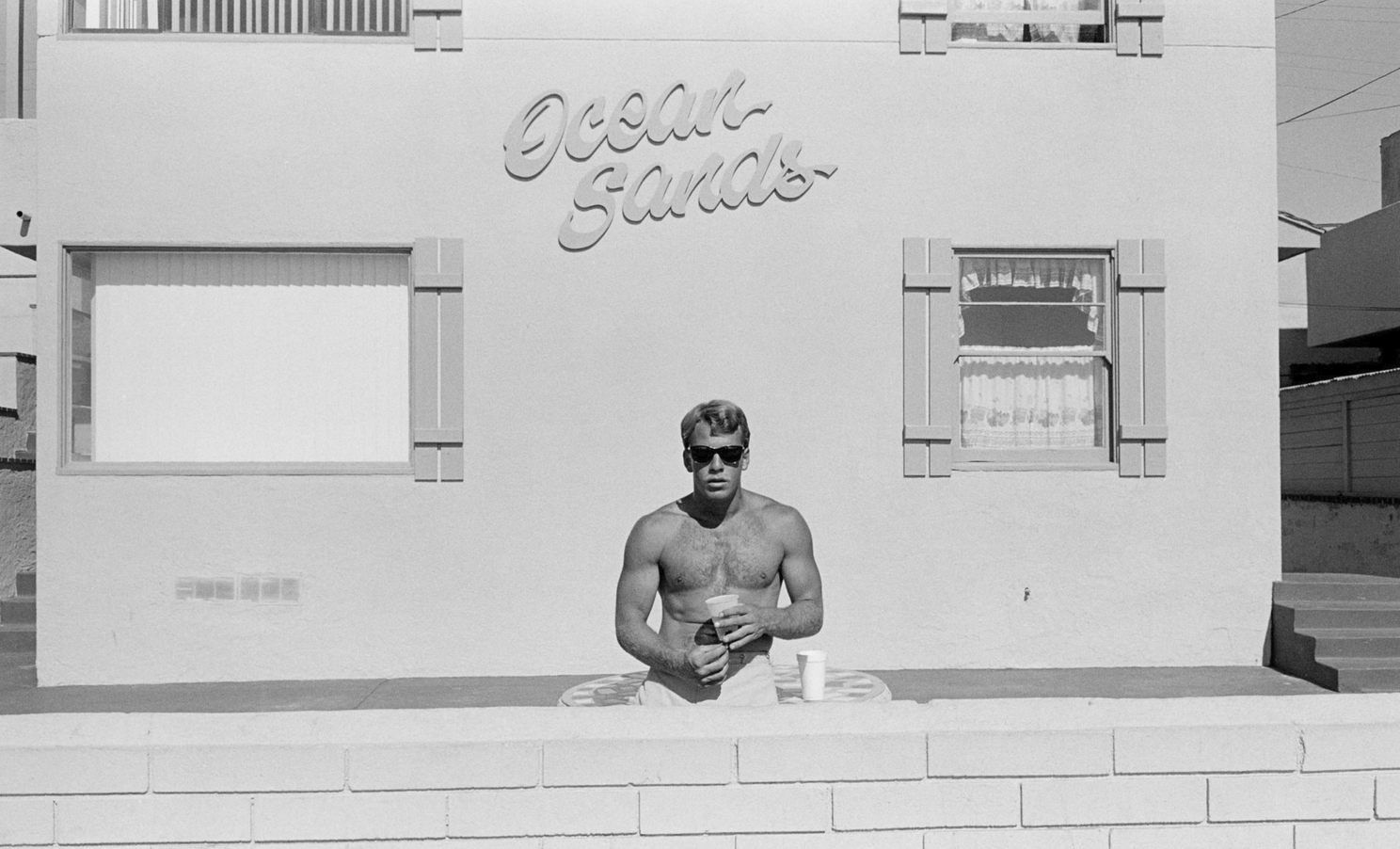
Composition Rules are Meant to Be Broken - Henry Wessel Jr.
Wessel’s approach allowed the world to present itself as it was, confident that attention and patience would be enough. This openness gave his work an inviting quality. Viewers are encouraged to notice. In an era during the 60's and 70's increasingly dominated by spectacle and excess, this quiet attentiveness feels radical.
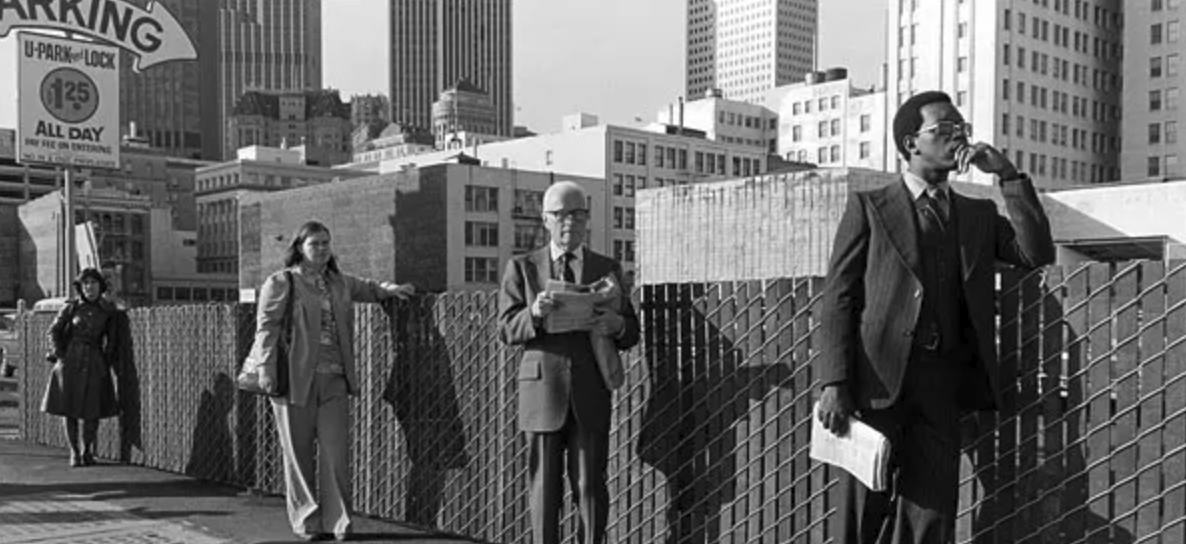
Henry Was a Master of Sequences - Henry Wessel Jr.
Though his images are rooted in specific places and decades, they resist nostalgia. The people in his photographs remain slightly anonymous, the settings familiar but unsentimental. As a result, the work continues to feel contemporary, speaking to anyone who has wandered a city street with a heightened awareness of light, form, and fleeting human presence.
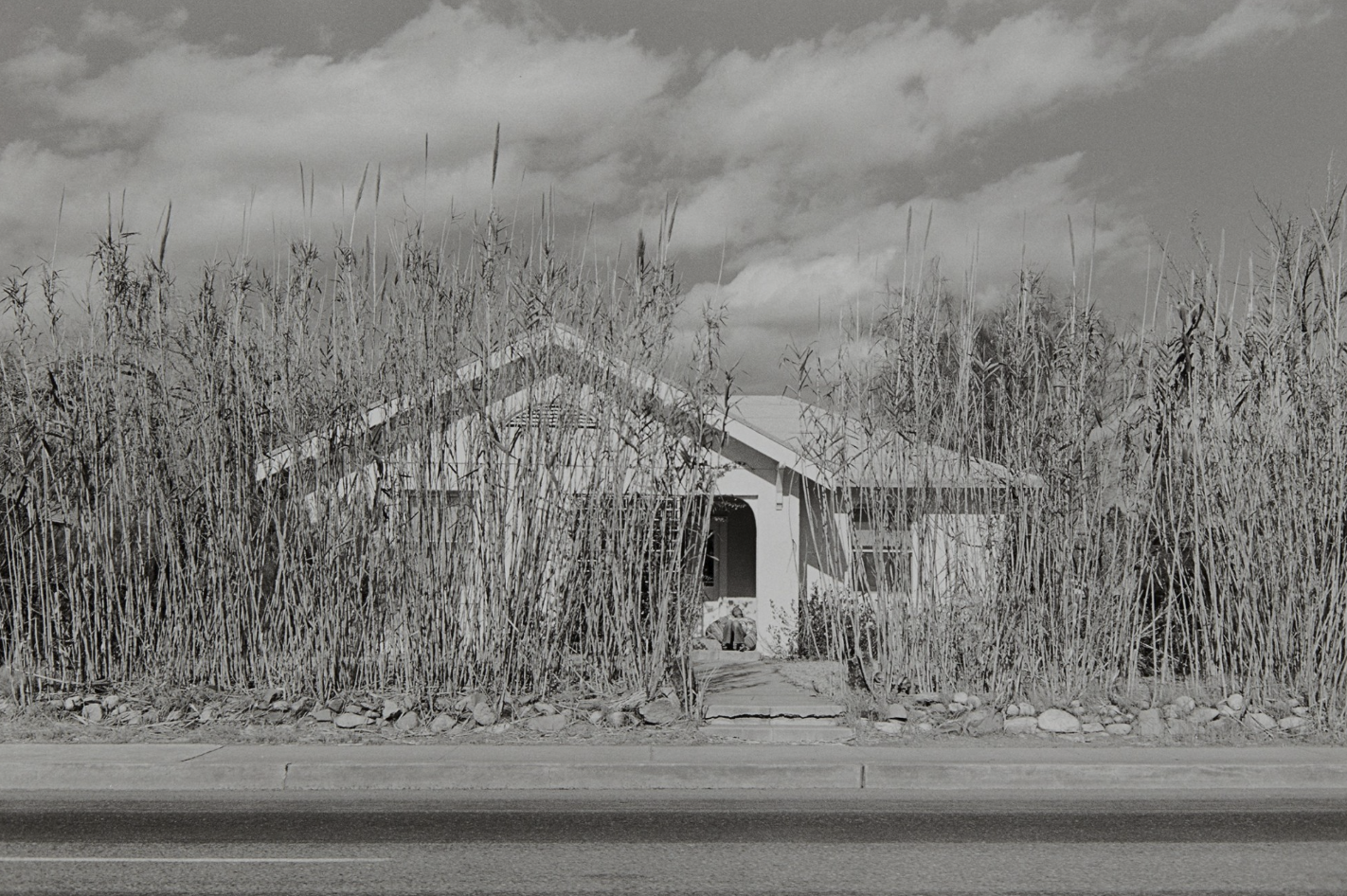
The Interaction and Conflict of Man Made versus Nature - Henry Wessel Jr.
Henry Wessel Jr.’s legacy lies in his ability to affirm the value of looking closely. His photographs remind us that the everyday world—so often overlooked—contains endless visual intelligence and subtle beauty. By paying attention to what is already there, Wessel showed that photography does not need to be loud to be profound. Sometimes, it simply needs to notice.
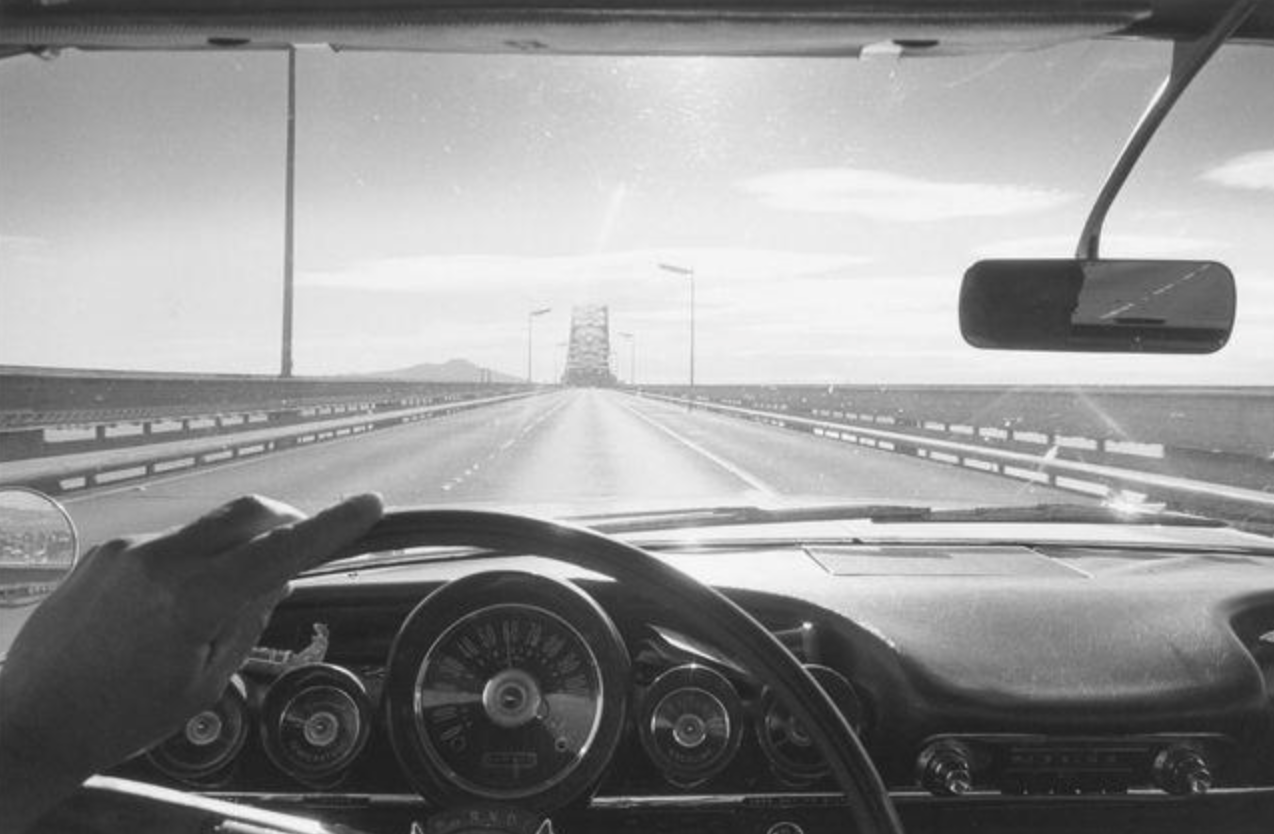
Wessel Knew the Importance to Explore the Lesser Known Places
I could only dream what it would be like to be the passenger in his car on a photography roadtrip in 1970.
Henry passed away in 2018 from Pulmonary Fibrosis at his home in California. Since his death, more up and coming photographers have studied his work.
Thanks for the great images and inspiration Henry!