Leica’s Missing Safety Net: Why Pro Support Matters
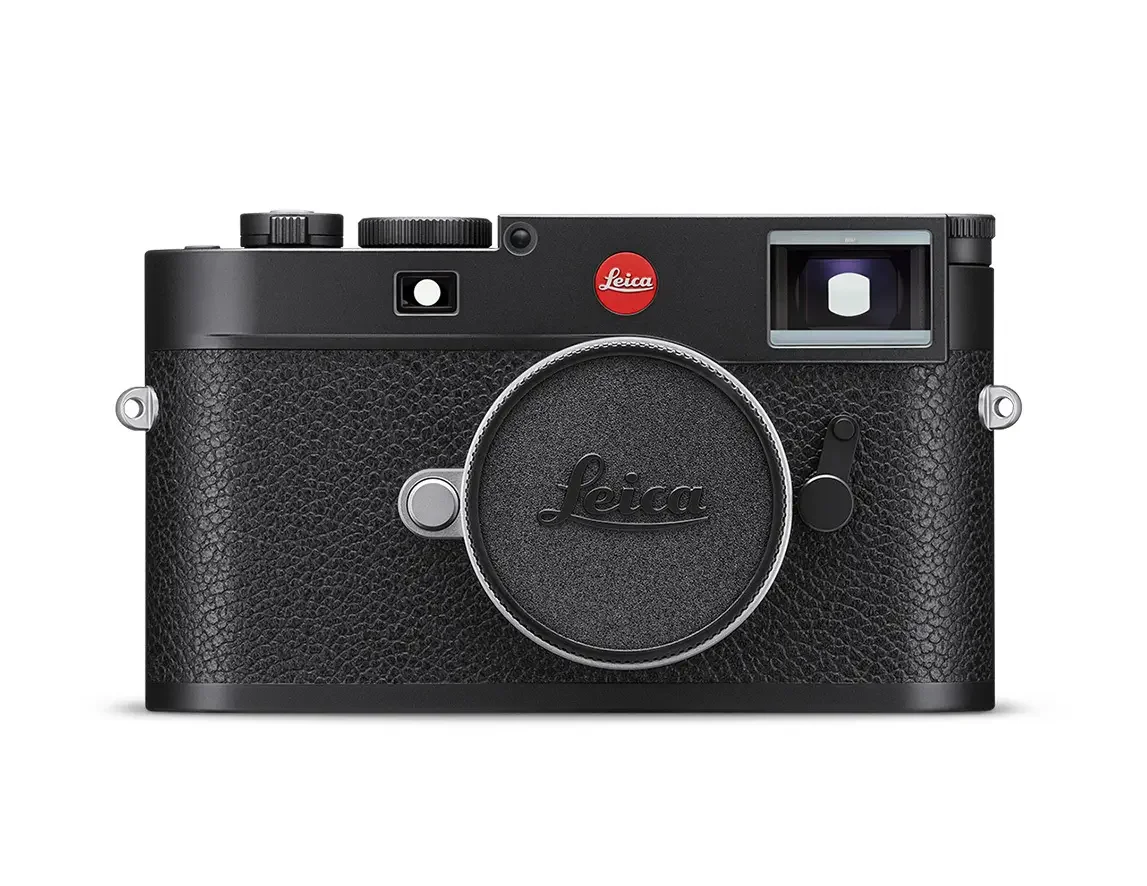
An Investment - Also a Costly Repair When Something Goes Wrong
Leica cameras occupy a rare place in photography. They are not just tools; they are objects of desire. They represent heritage, craftsmanship, simplicity, and a certain old-school belief that photography should be about seeing, timing, and intention rather than chasing every new spec.
But there is a hard practical question that every serious photographer should ask before spending Leica-level money:
What happens when the camera breaks?
That question matters more than most gear conversations admit. We spend endless hours debating megapixels, color science, autofocus, dynamic range, frame rates, lens rendering, and body design. Those things are important. But for working photographers, travel photographers, documentary shooters, wedding photographers, commercial shooters, and serious enthusiasts, the camera body is only one part of the equation.
The real issue is the system behind the camera.
And when it comes to professional support infrastructure, Leica appears to be playing a very different game from Canon, Nikon, Sony, and Fujifilm.
A Professional Camera Is More Than a Beautiful Camera
Leica makes beautiful cameras. That is not the argument.
The Leica M system has one of the strongest identities in all of photography. The Leica Q series has become a favorite among street photographers, travel photographers, and documentary-style shooters. The Leica SL system offers a more modern mirrorless platform with serious optics and a premium build.
But beauty does not fix downtime.
If a camera is sitting in a repair queue, it does not matter how gorgeous the files are. It does not matter how legendary the badge is. It does not matter how emotionally connected you feel to the shooting experience.
A broken camera is a broken camera.
And if you are depending on that camera for work, travel, client shoots, or a once-in-a-lifetime project, repair support suddenly becomes just as important as image quality.
Leica’s U.S. repair page describes a conventional repair process: send in the product by mail, courier, or parcel service, include your contact information, describe the malfunction, and include warranty documentation when applicable. Leica also lists repair contact information through Leica Camera USA and Leica Product Support. That is a service path, but it is not the same thing as a clearly published U.S. pro-support program with explicit expedited repair tiers, repair loaners, evaluation loans, or professional membership benefits.
That distinction is the whole issue.
Canon, Nikon, Sony, and Fujifilm Understand the Downtime Problem
Canon Professional Services is built around the idea that working photographers need more than basic customer service. Canon publicly promotes benefits such as equipment evaluation loans, access to professional equipment for testing, and membership-based support perks.
Nikon Professional Services is even more direct. Nikon’s current NPS structure lists priority repairs, dedicated NPS support, equipment loans, repair equipment loans at higher levels, repair discounts, maintenance services, and shipping benefits depending on the membership tier.
Sony’s PRO Support program advertises 3-business-day repair turnaround on eligible products, discounted repairs, free expedited shipping, clean-and-check services, evaluation loans, and repair loans when repairs extend past the stated turnaround window, subject to availability and terms.
Fujifilm has also offered professional services programs with expedited services, express repairs, and loaners where applicable. Fujifilm’s Canadian FPS page currently describes expedited services and repair loaners where applicable, while reporting around Fujifilm’s U.S. FPS launch described dedicated support, discounted expedited repairs, two-business-day repair turnaround when available, and access to repair loaners.
That is the key difference.
These companies are not just selling cameras. They are selling continuity.
They are telling professional users: if your gear goes down, we have a system designed to help keep you working.
Leica’s Weakness Is Not Image Quality.
It Is Robust Infrastructure Support.

This is where the Leica conversation gets uncomfortable.
Leica sells at the very top of the market. The cameras are expensive. The lenses are expensive. The brand image is premium from top to bottom. Leica asks photographers to buy into a world of craftsmanship, history, and exclusivity.
But professional dependability is not only about build quality.
Professional dependability is also about what happens after something fails.
A true professional support program gives photographers a safety net. It recognizes that gear failure is not just an inconvenience. It can mean missed income, canceled shoots, angry clients, lost travel opportunities, and creative work that simply does not happen.
That is why loaners matter.
That is why expedited repairs matter.
That is why dedicated support matters.
That is why evaluation units matter.
And that is why this issue should be part of the Leica conversation.
If a Canon, Nikon, Sony, or Fujifilm shooter qualifies for professional support, there may be a structured path to faster repairs, support contacts, loan equipment, or other benefits. Those programs have limitations, requirements, and availability rules, but they exist as published professional-service frameworks.
With Leica, at least based on the publicly visible U.S. support pages, the path appears much closer to a standard repair process.
That does not mean Leica never helps customers. It does not mean every Leica repair experience is bad. It does not mean individual dealers, reps, or service employees cannot be helpful.
But the broader question remains:
Where is the clearly published Leica pro support safety net?
Premium Price Should Come With Premium Support
This is where Leica deserves pressure.
If a company charges premium prices, it is fair to expect premium support infrastructure.
A Leica M11, Leica Q3, or Leica SL body is not a casual purchase for most photographers. These are expensive tools. Many Leica users own multiple bodies and lenses. Some are working professionals. Others are serious enthusiasts who may not make their living with photography but still depend on their gear for travel, projects, and important personal work.
Either way, when you buy into a premium system, you are not only buying the camera in your hand.
You are buying the support network behind it.
You are buying the repair pipeline.
You are buying the brand’s ability to keep you shooting.
And if that infrastructure is weaker than what competitors offer, photographers deserve to know that before they invest.
The uncomfortable truth is this: a camera can feel professional and still not be backed by a professional-grade support system.
That is the Leica problem.
We Can Only Dream - Hypothetical Leica Pro Support Program Logo.
This Is Not About Bashing Leica
It is easy for a conversation like this to turn into brand warfare. That is not the point.
Leica cameras can be wonderful photographic tools. Many photographers create incredible work with them. The rangefinder experience is unique. The lenses are legendary. The design philosophy has a clarity that many modern cameras lack.
But loving a camera does not mean ignoring its weaknesses.
In fact, the more expensive the camera, the more honest the conversation should be.
If a $7,000 or $9,000 camera body fails, the repair experience matters. If a lens worth several thousand dollars needs service, the turnaround matters. If the photographer has a paid job coming up, loaner access matters. If the gear is part of someone’s professional workflow, downtime matters.
Leica’s strength is the romance of photography.
Canon, Nikon, Sony, and Fujifilm are often stronger at the practical support structure surrounding photography.
That contrast matters.
The Real Question for Photographers
Before buying a camera body, most of us ask questions like:
Is the image quality good?
Is the autofocus reliable?
How does it feel in the hand?
Are the lenses sharp?
Is the color good?
Can I travel with it?
Can I shoot professionally with it?
Those are useful questions. But there is another question that should be much higher on the list:
What happens when this camera breaks?
That question cuts through marketing.
It separates the object from the system.
It forces us to think beyond the joy of ownership and into the reality of long-term use.
Because professional gear is not only about what happens on the best day. It is about what happens on the worst day.
The day before a paid shoot.
The week before a trip.
The morning your camera will not power on.
The moment a rangefinder goes out of alignment.
The moment a shutter, sensor, EVF, lens mount, or electronic board fails.
That is when brand support stops being an abstract benefit and becomes the whole story.
Leica Needs a Real Pro Support Conversation
Leica has the brand power. Leica has the heritage. Leica has the premium customer base. Leica has photographers who would likely value a serious pro-support option.
So why not offer a clearly defined professional support program?
Imagine a Leica Pro Support program with expedited repairs, loaner bodies, loaner lenses, dedicated professional support contacts, evaluation units, annual clean-and-check services, repair discounts, and transparent turnaround expectations.
That would not weaken the Leica brand.
It would strengthen it.
It would tell serious photographers that Leica understands the difference between selling luxury and supporting working tools.
Because if Leica wants to be considered not just a premium camera brand but a truly professional system, support needs to be part of the promise.
Final Thought
Leica’s biggest weakness is not the files. It is not the lenses. It is not the shooting experience.
Leica’s biggest weakness may be the lack of a clearly published professional safety net comparable to what other major camera companies offer.
Canon has CPS.
Nikon has NPS.
Sony has PRO Support.
Fujifilm has had FPS offerings.
Leica has legendary cameras, legendary lenses, and legendary prices.
But for photographers who depend on their gear, the question is simple:
Is Leica selling a professional system, or just a beautiful camera?
That is a conversation more photographers should be having before they spend premium money.
An appeal to Leica:
We love your cameras, lenses, and your company. We are faithful to the brand and the heritage it stands for. We ask you for a robust professional service program so we can keep that heritage alive with present and future generations of working pros who photograph on Leica equipment.
See my YouTube Video About this topic here.