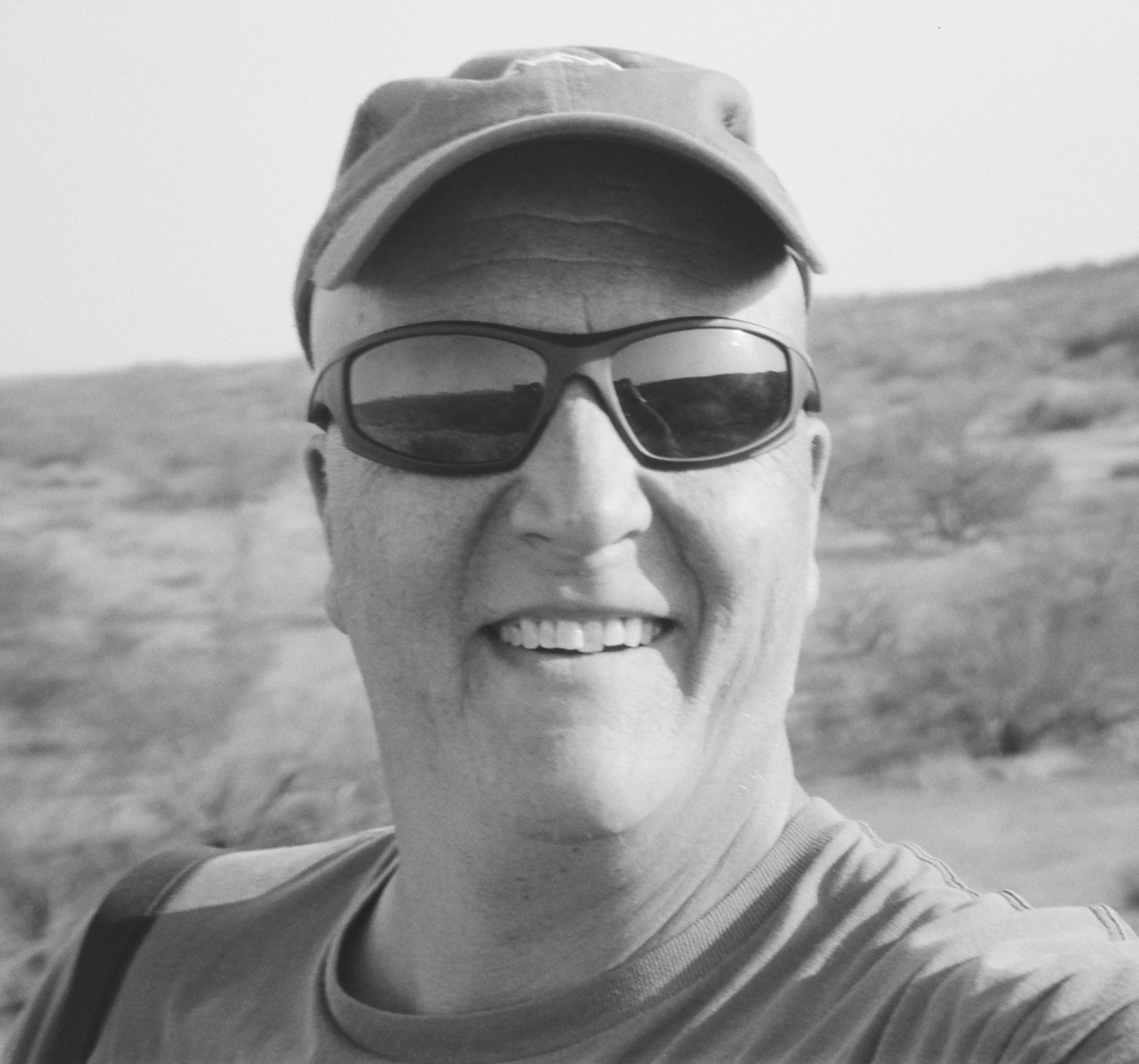
From the Live Truck to the Long Project
In TV news, the CLOCK is the boss (and your News Director).
You roll up to a scene with a slot to hit (what we called in the biz when you were on-air), a live shot at the top of the hour, and a producer in your ear. You get what you can, as fast as you can, and you send it in for air. By the time the story airs you're already driving to the next one.
I did that work in San Diego at CW6 - XETV. I was one of the first to put a drone up for live TV news, and I won an Emmy for breaking news. I loved it. It was also the exact opposite of what I do now as a documentarian photographer and storyteller: I spend months, sometimes years, on a single body of work, and I often show up at a place decades after anything happened there. In the art world some call this banal or deadpan. To me this is not dead. It’s another chapter that many forget.
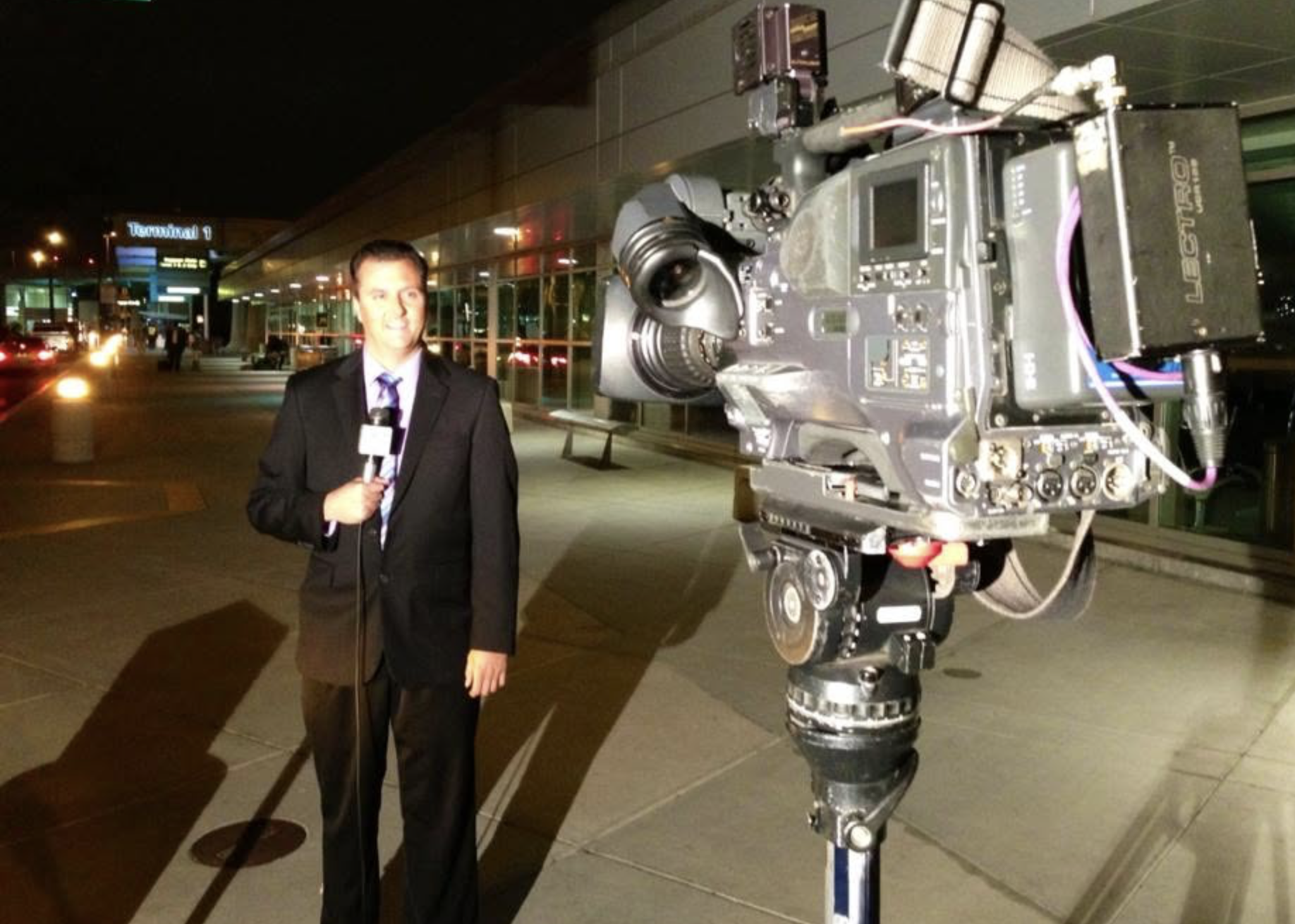
Airliner Declares Emergency and Lands At San Diego - Live Coverage at 10pm (Gary Buzel 2013)
What news gave me
Television breaking news is a brutal teacher, but a good one. Some of what it drilled into me, I'll keep forever.
Read a scene fast. You learn to walk in and know in seconds where the story is: who matters, what's changing, where to stand. That instinct is just as useful in a quiet town as at a fire line.
Get it right. A story that's wrong is worse than no story. I still treat every caption like it's going on air, with names spelled right and facts checked.
Talk to people. (This should be #1 on my list) News teaches you how to approach a stranger on the worst day of their life and earn a few honest minutes. That's the job in documentary work too, just without the deadline. And less sizzle.
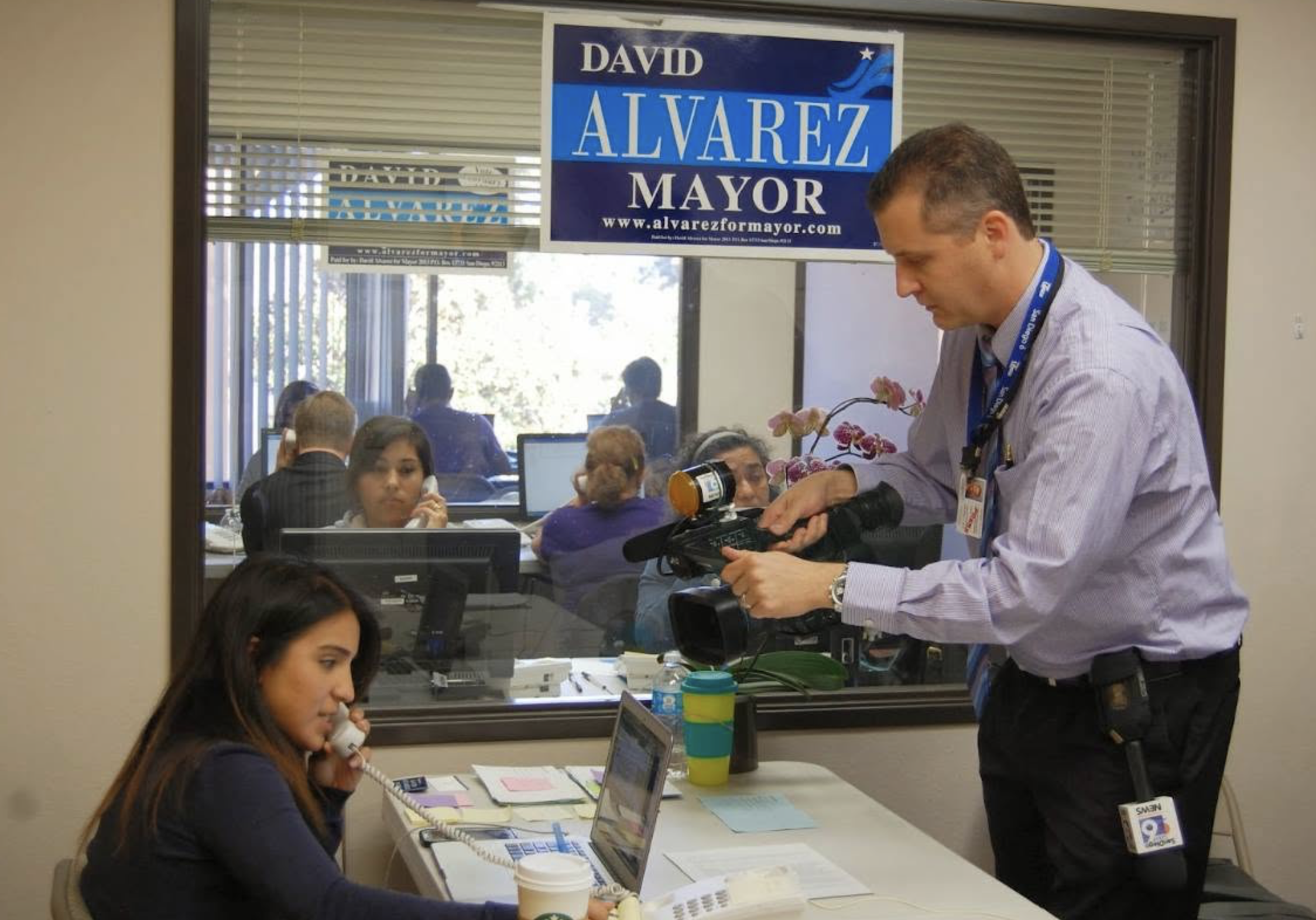
Shooting A Story About the San Diego Mayoral Race (Gary Buzel 2014)
Respect the subject. You see people at their most exposed. You learn quickly that the video is a representation, and it must convey dignity.
What I had to unlearn
Other habits had to go.
Chasing the peak moment. News trains you to hunt for the flames, the tears, the flashing lights. The work I care about now often has no peak moment at all. An empty field, a shuttered mill, a road where some oddity happened in 1961. I had to learn to trust a picture where nothing is happening.
Making everything dramatic. Low angles, long lenses, tight crops: the visual grammar of urgency. I've mostly put that away. All the hallmarks that the TV news pros teach you. These days I want the frame plain and level, closer to the New Topographics photographers of the 1970’s, than to the ten o'clock news.

Small Plane Crash in El Cajon (Gary Buzel 2017)
Moving on. In news, once it airs, you're done. In a long project, you come back. You re-shoot. You let the work sit, then look at it again months later and see what's really there.
Shooting a lot. I went from recording everything to shooting film, sometimes eight frames on a roll of 6x9. When every frame costs something, you stand there longer. You look harder. You wait.
Talking on Camera. I spent many years of my TV career learning how to talk like a reporter on TV. You learn the cadence, inflections, and pauses to guide your story. In today’s YouTube centric social media world, authenticity is king. Social media begs just you to talk, not announce to be dramatic. Some even tell me, the more regular guy you sound on YouTube the more believable and relatable you are. Something in TV they would call “flat delivery.” I think a hybridization of both is good… Talk but not sound boring is what I like to call it. :-) NPR radio is kinda been doing this style for years.
What the long project looks like now
These days I live and work on the road full time, towing my studio behind me. It isn't a newsroom, but it does let me stay with a subject until it's done. A few bodies of work are underway:
The Geography of Consequence: towns reshaped by industries that promised prosperity and left contamination or emptiness behind. It started with Picher, Oklahoma, and most recently I shot East Palestine, Ohio. More locations of environmental tragedy on the way. This is all coming soon to this website and my YouTube Channel.
IT Happened Here: ordinary places where extraordinary things are said to have happened, starting with the Betty and Barney Hill and Exeter UFO cases in New Hampshire.
Flock You!: the spread of license plate readers and surveillance cameras, asking us what is more important…..Personal safety, or privacy and data collection.
Lens Forgotten: decay, abandoned infrastructure, and the forgotten corners of Americana. Documenting what is left before it is all gone.
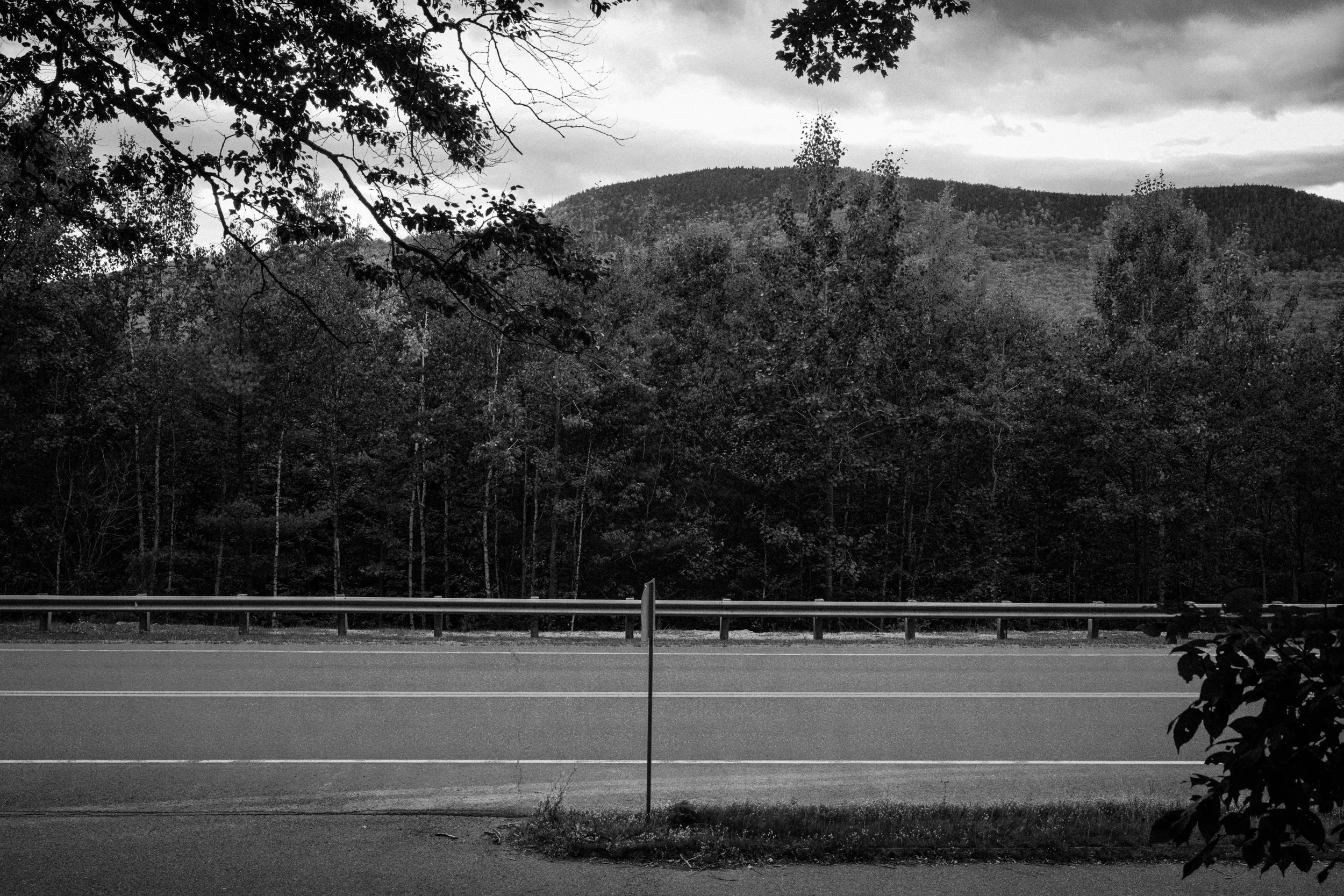
View from Twin Mountain Rest Area. Where Betty and Barney Hill Observed a UFO which later led to their abduction in 1961.
(Gary Buzel 2026)
The photos I take now are to make you stop and think. This is less informational but rather profound in nature. It leaves with questions and feelings. You are left filling in blanks. I cannot tell you it all.
Some of these subjects could have been news stories once. East Palestine certainly was. The difference is the timing. I'm not there the day it happens. I'm there years later, asking what happened to the place after the cameras left.
Why slow??
TV News asks, "What happened NOW?" The long photography projects ask, "What's left?"
Big Difference.
That second question takes time to answer. It takes repeat visits, patient conversations, and a willingness to make photographs that won't make anyone gasp on first look. I think those pictures last longer, though. They're less about a moment and more about a place, and about the people who stayed behind after the story moved on.
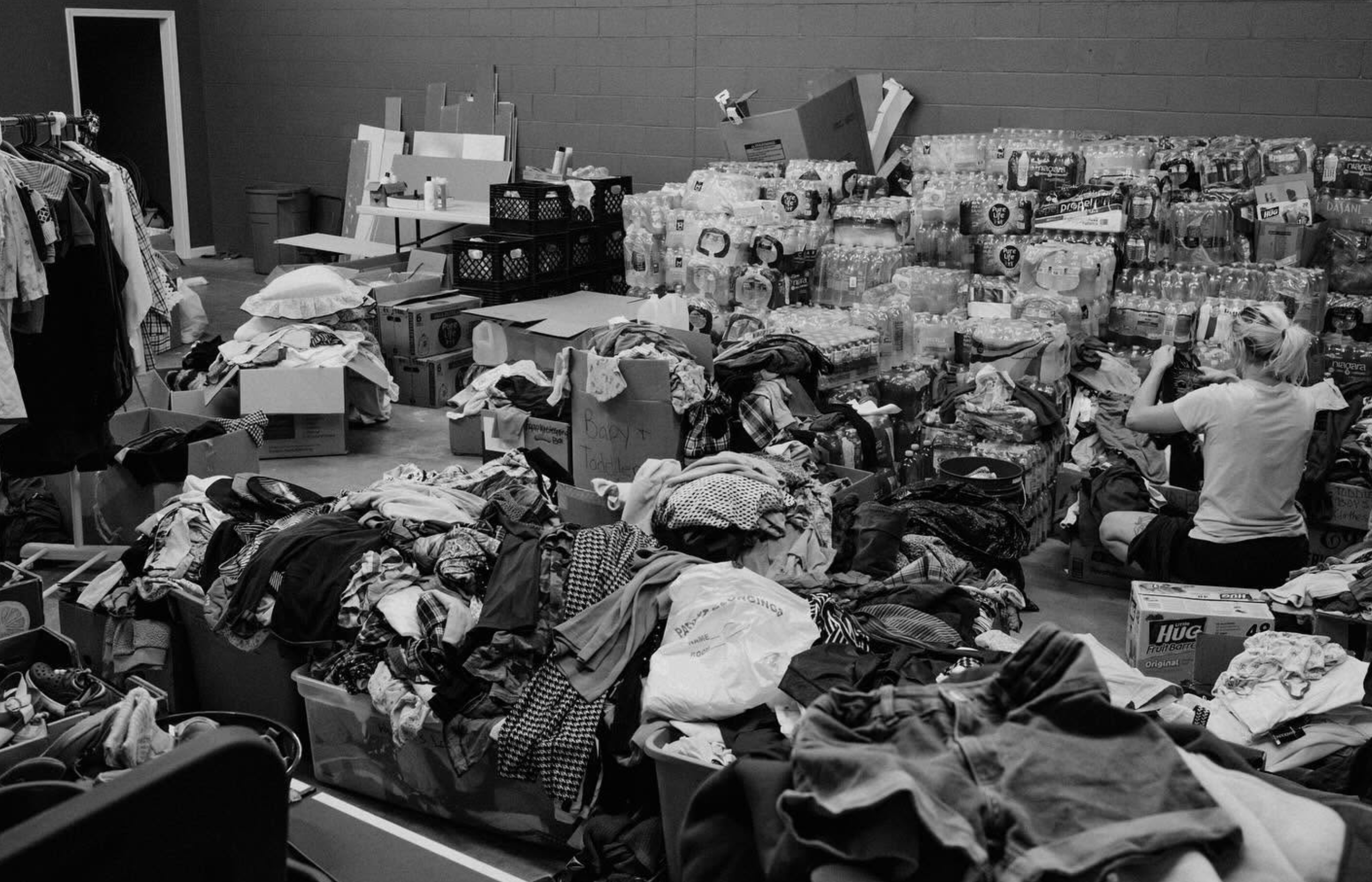
Hurricane Helene Donation Shelter - Embryville Tennessee (Gary Buzel 2024)
I don't miss the live truck much. I do still hear the clock sometimes. Now I've learned to let it run.
You can follow the work as it happens on my YouTube channel, Captured In Transit, and here on the site as each project takes shape.