Peter McKinnon recently made the case that a good pen belongs in every photographer's kit, and he even made a whole video on which pen is best (video here). He's right. But a pen needs somewhere to land. If the pen is how you capture an idea, the notebook is where you keep it. This post is the other half of that conversation: why every photographer should keep a notebook, what to put in it, and the one I just bought.
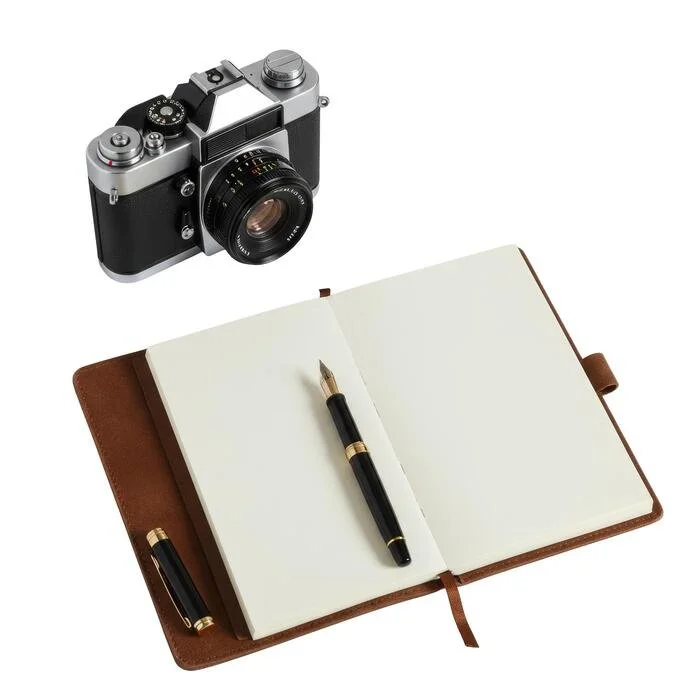
A working team for the photographer
Why paper still matters
Writing something down by hand makes it real. An idea in your head is easy to lose. An idea typed into a phone ends up buried under hundreds of other notes. An idea written in ink on a page has been committed to. You had to slow down, choose the words, and put them somewhere permanent. That act alone reaffirms it.
Paper is also tangible. You can flip back through a year of work in a few minutes, see the coffee stain from that morning at the trailhead, and remember exactly where you were standing. A notebook keeps the context, not just the content.
And paper is timeless. It needs no battery, no app, no subscription, and no file format that might be dead in ten years. A notebook from 1975 opens just as easily as one from last week.
A notebook also gets you off your phone. Open your phone to jot down one idea and ten minutes later you're scrolling, answering messages, or checking the weather for the third time, and the idea is gone. A notebook can't notify you, can't pull you into a feed, and doesn't care how many likes your last post got. Reaching for it instead of your phone is a small act of independence. Do it often enough and you'll find you need the screen less, both in the field and at home. You stay present with the place you're photographing, and your attention stays on the work.
Photographers have always worked this way. Documentary and landscape photographers kept field notes on location, conditions, and exposure long before metadata existed. Many of the great archives we study today exist partly because someone wrote down where and when a picture was made. Keeping a notebook puts you in that lineage. It's an old habit, and it still works.
What goes in it
Ideas for shoots
Good ideas rarely show up when you have a camera in your hand. They come while you're driving, reading, or half asleep. Write them down the moment they arrive, even as a single line. A page of rough ideas becomes the starting point for your next project.
Locations
When you pass an abandoned gas station at golden hour or a back road with perfect fog, note it: where it is, which direction it faces, what time the light was right, and what season it might look best. A good location log turns one lucky drive into a list of places to come back to.
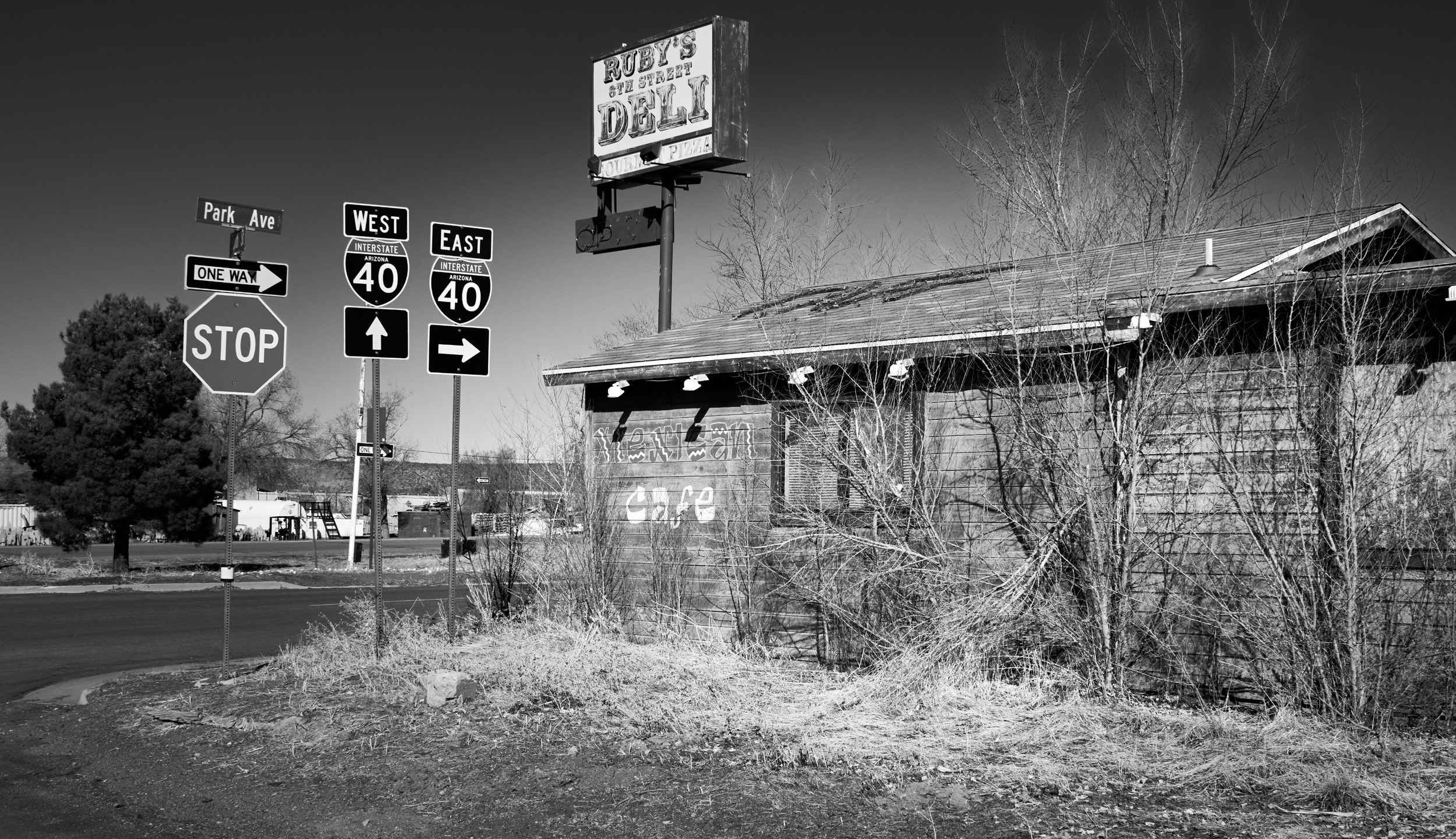
Next time you drive by that location you want to return…. Write it down!!
Ash Fork, Arizona - 2021 Gary Buzel
Artistic ideas
A notebook is also where you work out why you shoot, not just what you shoot. Sketch compositions. Write down a line from a book that stuck with you. Name the feeling you want a series to carry. These notes become the backbone of artist statements, project descriptions, and the long-term work that ties your images together.
Camera settings on film
This is where a notebook really earns its place. Film has no EXIF data. If you want to learn from a roll, you have to write it down yourself. For each frame, record:
Roll number, film stock, and ISO
Frame number
Aperture and shutter speed
Lens and any filter
Light conditions and location
What you were trying to do
When the scans come back, you can see exactly why a frame worked or didn't. Over a few rolls, that log will teach you more about exposure than any app.
My pick: the Leuchtturm1917 Medium
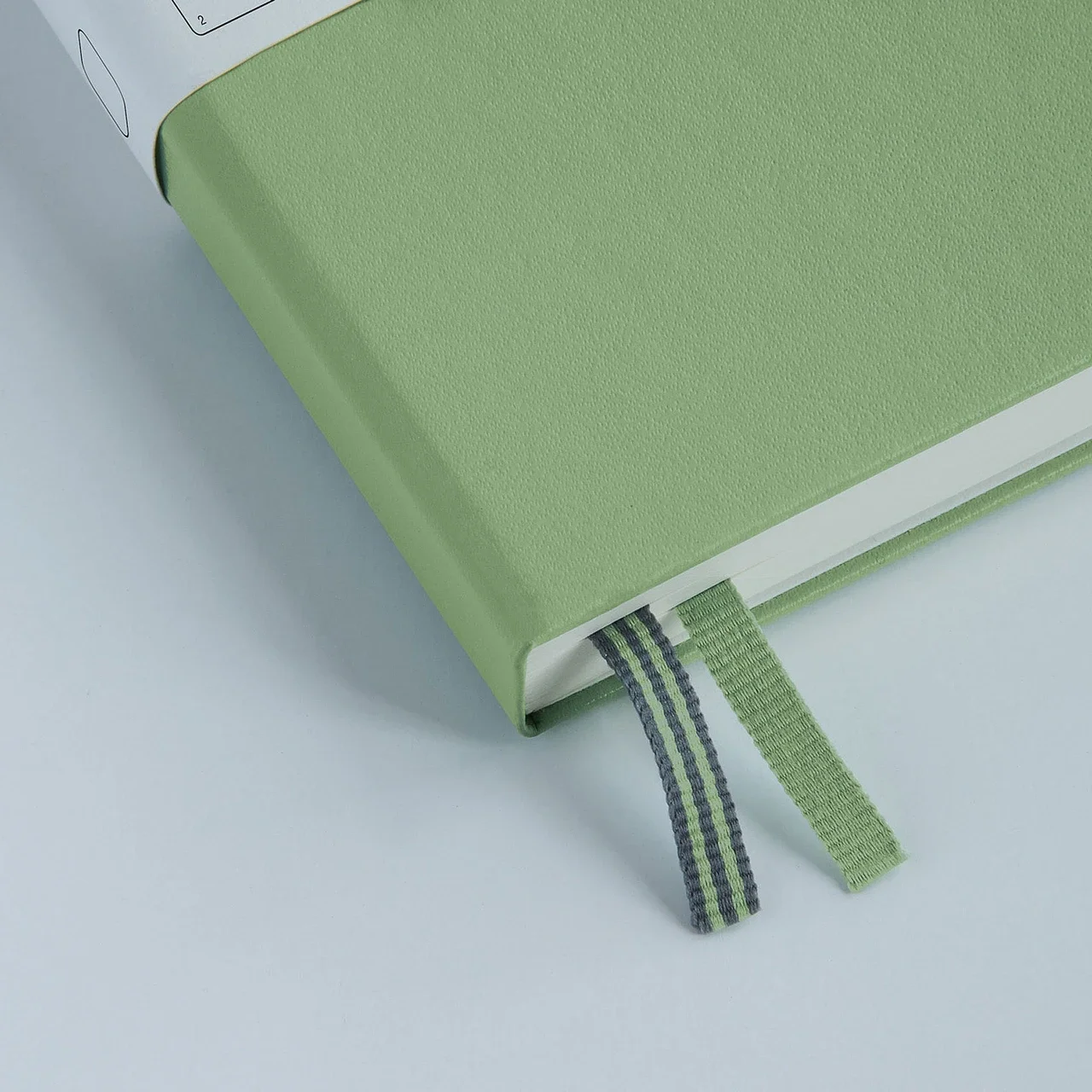
Bookmarkers make all the difference!
I just picked up a light green Leuchtturm1917 in the Medium size, roughly A5, and for a photographer it's hard to beat. You can get one easily online from retailers like Amazon.
The company was founded in Germany in 1917, and the name means "lighthouse." That sense of tradition shows in the details, many of which seem designed for exactly this kind of work:
Numbered pages and a blank table of contents. You can index shoots, locations, and film rolls and find them again months later.
Two ribbon bookmarks. Keep one on your current film log and one on your idea pages.
Elastic closure and a hard cover. It survives a camera bag, a truck seat, and a damp morning outside.
An expandable back pocket. Good for receipts, location maps, contact sheets, or a test print.
Spine labels. Date each volume and line them up on a shelf as a record of your work.
The Medium size fits in most camera bags without taking over, yet it's big enough to sketch a composition or fill a proper film log. And the light green cover is easy to spot at the bottom of a bag. That matters more than you'd think.
If Peter's video helps you find the right pen, this is the notebook I'd pair with it.
Keep the habit
Habits can be good habits. A habit isn’t always just the unhealthy food you eat.
Cameras change every few years. Software changes every few months. A notebook doesn't change, it’s timeless. It works today exactly as it did a hundred years ago. Pick a good pen (finer tip better in my opinion), pick a good notebook, and carry both every time you carry a camera. Years from now, the pictures will show what you saw. The notebook will show how you thought.