Are you an Artist, Documentarian or Both?
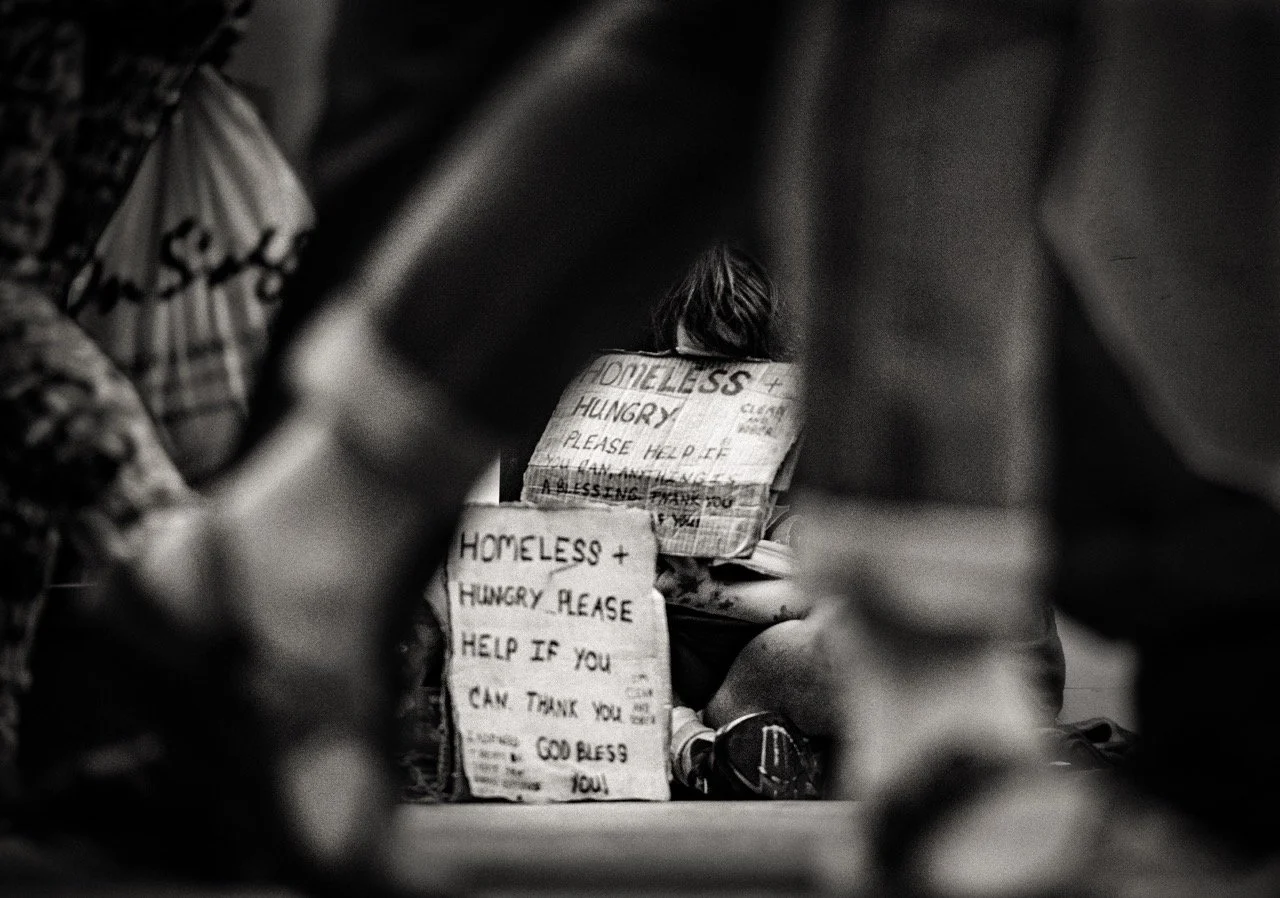
“Ignored” NYC Manhattan (2016 Gary Buzel)
Over ten years have passed, and I am finally going public in this blog by unearthing some points that have remained silent. These points I still see come up even today with other photographers online. Read on.
On a warm and humid July day in 2016, while visiting New York doing some street photography, I pressed the shutter of my Sony A7R MK II (w/ a 70-200 f2.8 GM) and made one of the most controversial photographs I have captured. It was a homeless man in his late 20’s sitting on the side of 34th Street, while numerous well dressed peopled passed by him not even acknowledging his presence. That frozen moment in time was of him in sadness and desperation framed inside the walking stride of a woman passing by. Right after the image was captured, the man lifted his head and saw I just took his picture. I walked over to him gave him what small cash I had left in my wallet and an unopened peanut butter Cliff Bar I had in my camera bag. I learned he was kicked out of his home by his parents, and years of drug abuse had taken its toll. He was human, had a story, and could be anyone I know, heck it could be me. That was a defining moment. When I got back to San Diego I wanted to cover more issues affecting our homeless population as a journalist on TV. With the goal to bring more attention and publicity to these issues with the outcome resulting in more positive progress for these people.
In the coming weeks, I took more images and video of the homeless, this time in and around San Diego. I was going to use my multimedia work in a story for the CW6 News at 10pm about the San Diego Rescue Mission and their annual upcoming prayer vigil. A vigil where a pair of shoes is laid down on the steps of the San Diego County administration building for every person who died on the streets homeless that year. The event is a message to local politicians to do more about the homeless problem in San Diego, which anecdotally seemed to be getting worse year after year, despite awareness events like these.
When I showed the images I captured to the local photographer community in San Diego, the reaction I got was gut wrenching from a few notable photographers in the community. One well known landscape photographer said “Gary is exploiting these homeless people by taking homeless pictures and trying to pass them as art.” Another photographer, “I won’t go on a photowalk with a guy that gets his kicks on shooting homeless people.” And another, “He’s taking advantage of people fallen on hard times.” The critical Facebook comments kept rolling in, along with 3rd hand reports from friends. Needless to say, I distanced myself from many of these camera toting cohort critics. More on this later.
I asked myself, Did they understand why I took these images? and Have they ever seen some of the great photojournalism images of all time? Is taking an image of someone in pain, on hard times, in some kind of trouble, or even dying, a bad thing? Have these images and the story behind them done more hurt than good? This is when I noticed a well defined differences in photographers. One that shoots for just art. And one that shoots for documentary, journalism, or story. And there are some that do both. Many do not even know themselves.
The Uncomfortable Question
So I ask you….
What type of photographer are YOU?
A question that quietly divides every room full of photographers, and most of us are too polite to say it out loud. Are you an artist, chasing light and composition and the perfect frame? Or are you a documentarian, chasing the truth, even when the truth is ugly? Or maybe both is important? For years I have watched people dodge this question because the honest answer touches something we would rather not talk about: what we are willing to point a camera at, and what we are willing to walk past.
I want to take on that taboo directly. That’s me, I go there where most won’t. Because I think the discomfort itself is worth examining, and I think a lot of well-meaning photographers have quietly decided that the most sensitive, compassionate thing to do is to never photograph a person who is suffering. I understand the instinct. I just think it is wrong even though the latter sounds more virtuous.
Are you trying to document the human experience? AND if so, where do YOU draw the line what to capture or NOT capture?
Those two ideas are often treated as separate worlds (but not all the time). Typically one might think it belongs in galleries, books, museums, and carefully curated portfolios. The other belongs in newspapers, magazines, archives, history books, and sometimes in difficult conversations about ethics, trauma, suffering, and truth.
But photography has always lived in the tension between those two purposes.
A photograph can be beautiful. A photograph can be evidence. A photograph can be personal expression. A photograph can be a record of something that happened. Sometimes, if the photographer is honest and lucky, it can be all of those things at once.
Should a photographer be condemned for taking an image of a certain subject?
The Photos We Would Have Lost
Consider the photograph the world knows as "Napalm Girl." In 1972, Associated Press photographer Nick Ut stood on a road in Vietnam and made a picture of a nine-year-old girl, Kim Phuc, running toward him, naked and screaming, her skin burning from a napalm strike. It is one of the most searing images ever made. It helped turn a nation against a war. And then Nick Ut put down his camera, gave the child water, and drove her to a hospital, an act that likely saved her life.
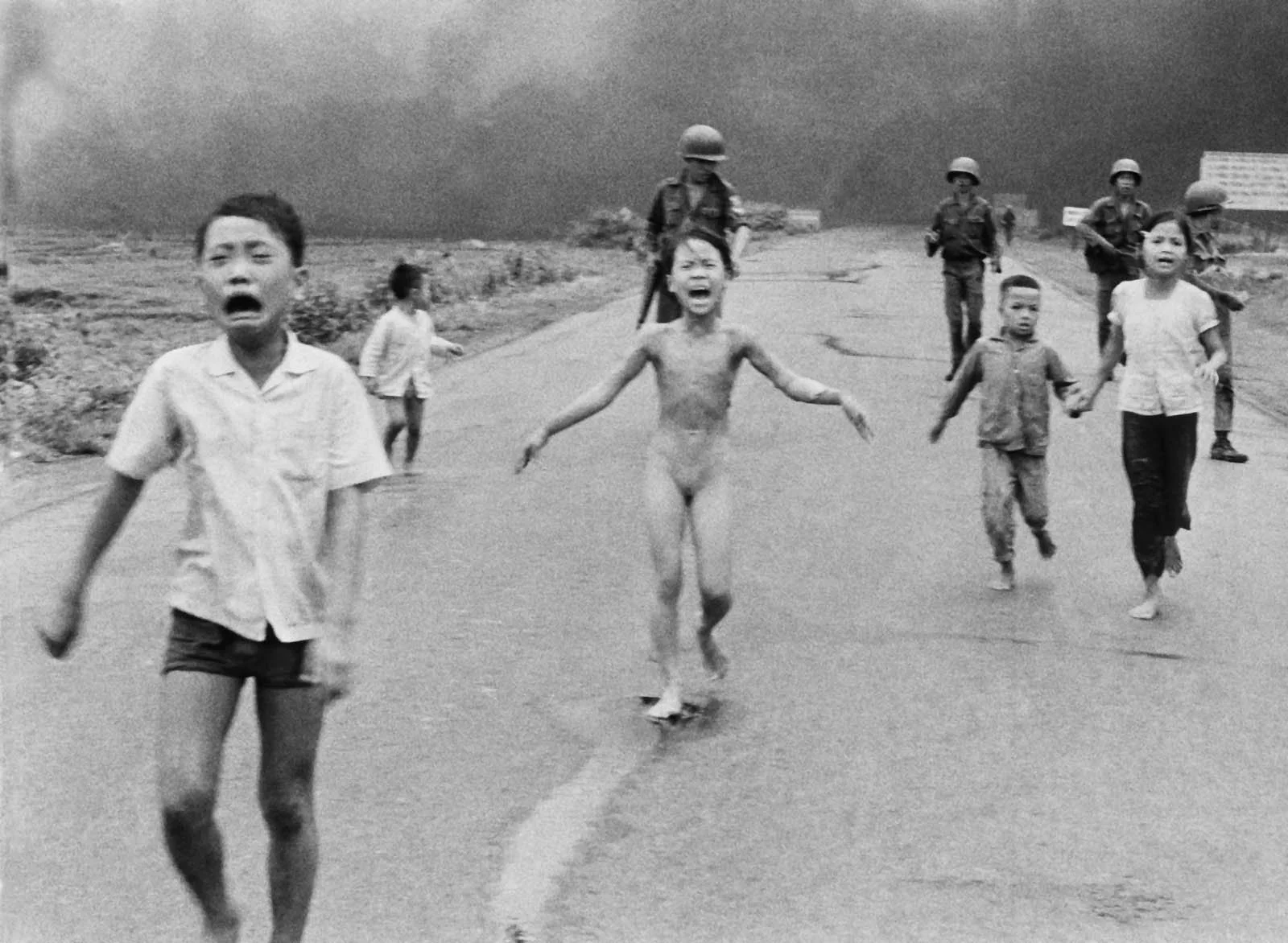
“Napalm Girl” 1972 (AP Photo/Nick Ut, File) (Nick Ut/Associated Press)
Sit with that sequence for a moment, because it dismantles the argument I hear most often. The claim is that a compassionate person would never make the photograph, that the camera itself is the cruelty. But Ut did both. He made the image and he saved the child. Had he felt too much sympathy to lift the camera, Kim Phuc still would have been burned. The only difference is that the world would never have seen it, and the war might have dragged on longer for the silence.
The history of the twentieth century is built out of photographs that someone almost did not take. The man standing in front of the tanks. The starving child in the Sudan. The falling soldier. Dorothea Lange's migrant mother, worn down and clutching her children in a California pea-pickers' camp, is the face of the Great Depression precisely because Lange chose to walk into that misery and raise her camera. If every photographer had decided that pointing a lens at a person in pain was exploitation, we would have no visual memory of the last hundred years. We would have landscapes. Beautiful, empty, comfortable landscapes.
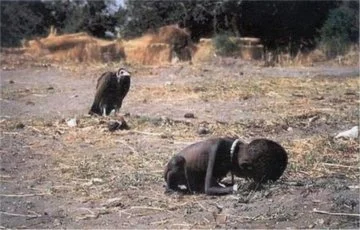
“The Vulture and the Little Girl” (1993 Kevin Carter NY Times)
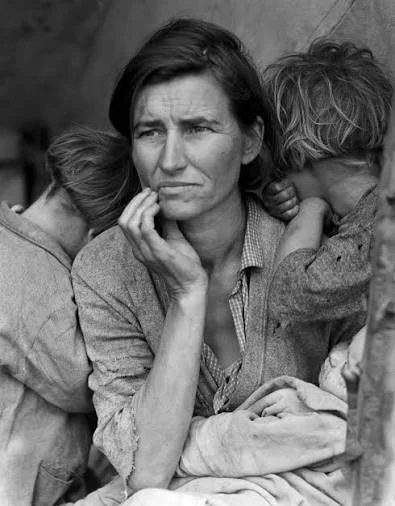
“Migrant Mother” (Dorothea Lange 1936)
Just imagine if any of these photographers picked up the camera and said:
“Nah, these people are going through tough times, I don’t want to exploit them”
Photography as Art
Some photographers approach the camera primarily as an artistic tool. And that is ok.
They are thinking about light, form, shadow, color, composition, atmosphere, symbolism, and emotion. The subject may be real, but the final image is not simply about recording reality. It is about transforming reality into something expressive.
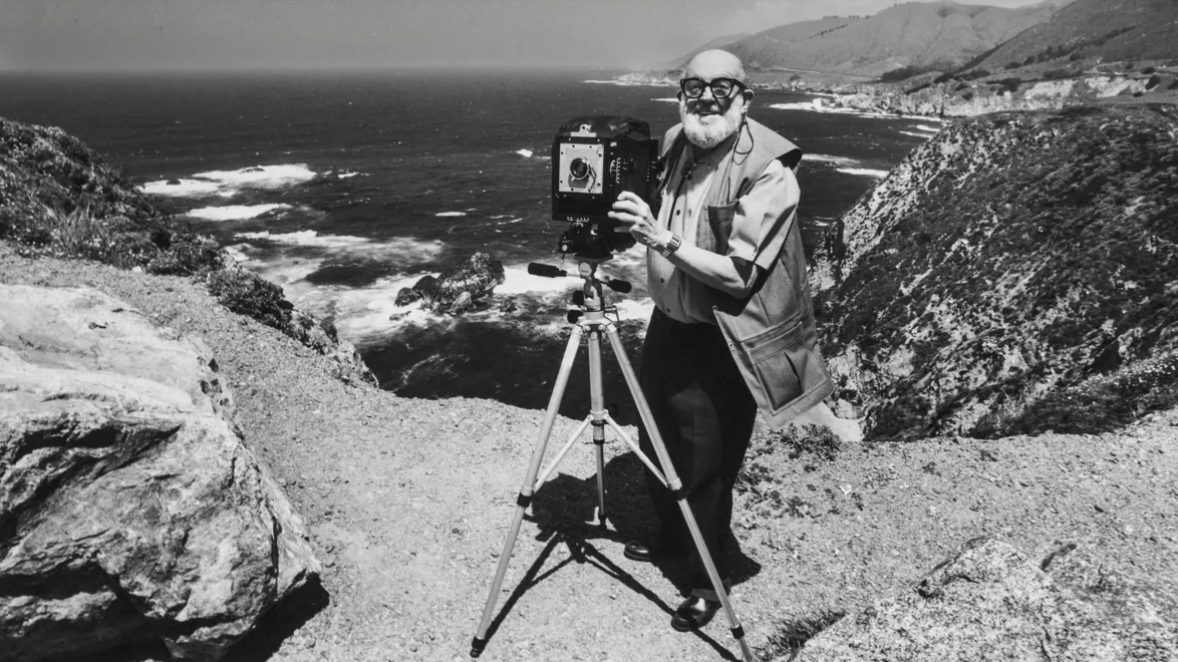
Landscape Photography Great Ansel Adams 1981 (Roger Ressmeyer/CORBIS/VCG via Getty Image)
This kind of photography matters.
Art photography gives us room to interpret the world rather than merely observe it. It can elevate the ordinary. It can turn a tree, a window, a figure, a street corner, or a shadow into something mysterious and emotional. It can show us not just what something looked like, but what it felt like.
Art photography can have a mission as well. Ansel Adams wanted to raise awareness for our natural environment and conservation through his photos.
Photography does not have to be literal to be meaningful. A photograph can be staged, abstract, poetic, symbolic, quiet, or deeply personal. It can exist simply because the photographer saw beauty or tension or mystery in the world and wanted to make something from it.
But that is only one side of photography.
Photography as Witness
Documentary photography begins from a different place.
The documentary photographer is not always trying to make something beautiful or artsy. Often, the documentary photographer is trying to preserve something true.
That truth may be joyful. It may be ordinary. It may be tragic. It may be uncomfortable. It may be something society would rather not look at.
Documentary photographers photograph people at work, at home, in public, in celebration, in protest, in mourning, in poverty, in war, in displacement, in survival, and in moments of adversity. They photograph life not as we wish it were, but as it is.

“Navion Plane Down” El Cajon, CA (2017 Gary Buzel)
That is what I mean by the human experience.
The human experience is not just sunsets, mountains, weddings, fashion, coffee shops, and perfectly composed street scenes. It is also grief. Hunger. Loneliness. Fear. Homelessness. Illness. War. Natural disaster. Injustice. Protest. Survival.
If photography avoids all of that, it may still be beautiful — but it becomes incomplete.
What Personal Experience Taught Me
I learned how personal this fight gets when I did that journalism project in 2016 both with photo and video for the CW6 newscast. The goal was not to make art. The goal was to raise awareness and support for a local mission that was trying to help people the city had mostly decided not to see. I spent time on those streets, I talked to the people in distress, I earned some trust, and I made photographs of men and women living in genuinely hard circumstances. Some of those pictures were difficult to look at. That was the point.
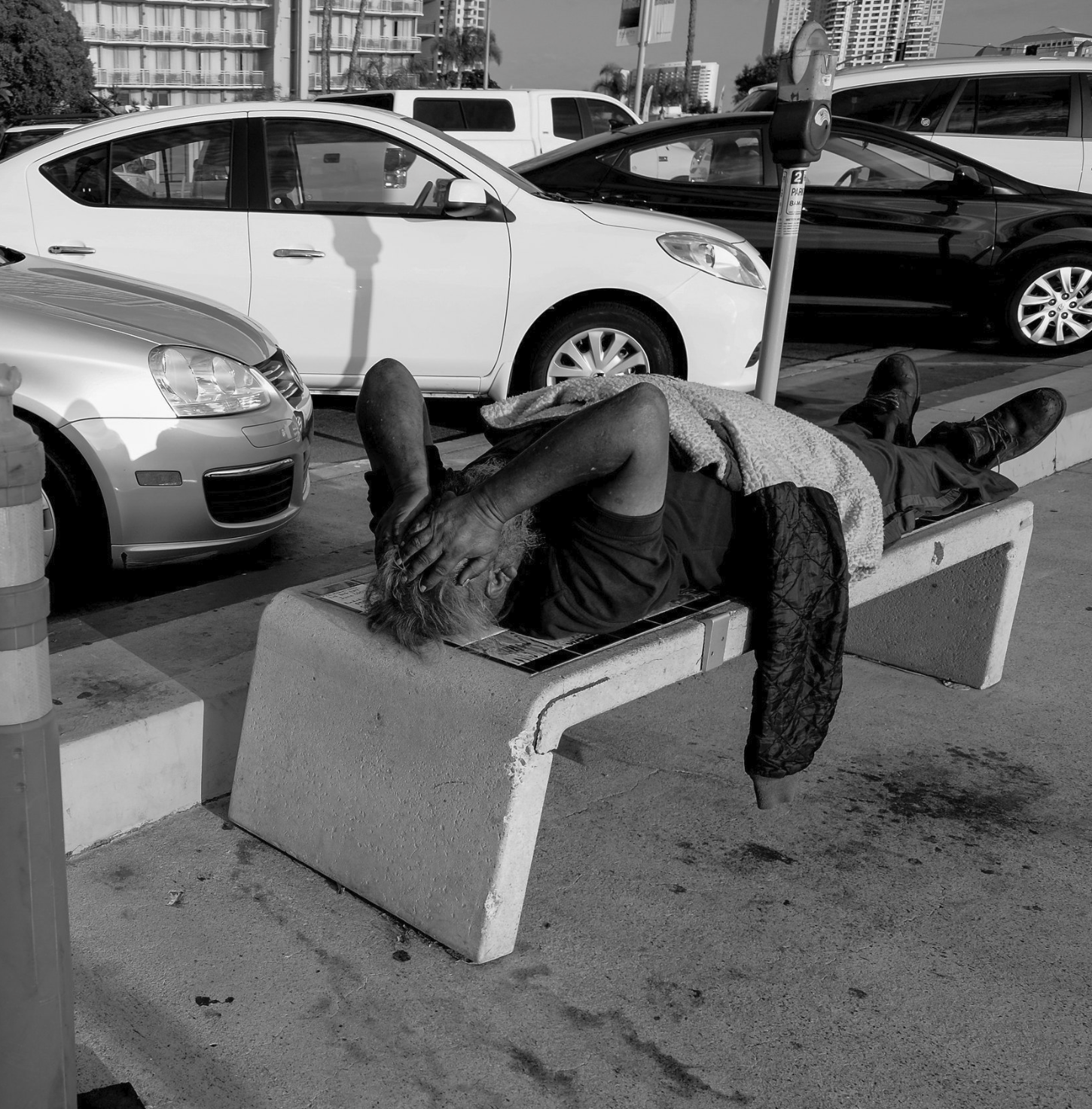
“Man in Despair” Embarcadero San Diego (2016 Gary Buzel)
A landscape photographer in the area, a talented and well respected one, told me the images were tasteless, arguing I was photographing people in compromised situations, that I was exploiting them, that it was beneath the craft. This person did not care what the project was for. This photographer never asked whether the rescue mission benefited, whether donations came in, whether a single person on those streets was helped because a stranger finally looked at their face. They saw helpless suffering in a frame and decided the frame itself was the sin. So I was the sinner. This ended our friendship.
Others said I had no class or high standards for my work.
Here is what they missed. Exploitation is not a synonym for discomfort. Exploitation is about power and intent, about whether you take something from a person and give nothing back, whether you strip them of dignity for your own gain. A photograph made in service of advocacy, and awareness, made to move resources toward the very people in the picture, is close to the opposite of exploitation. His critique was not really about ethics. It was about aesthetics. He was uncomfortable, and he mistook his own discomfort for a violated moral principle.
“I Don’t Photograph People in Compromised Situations”
Many art focused photographers say, “I don’t photograph people in compromised situations.” or “you’re exploiting them…”
Just the other day I saw an influencer make a YouTube video about photography around San Francisco saying he never takes pictures of anyone who he feels is going through a trying time.
I understand the instinct behind their statements.
Nobody wants to exploit another person’s suffering. Nobody wants to turn trauma into content. Nobody wants to use someone else’s worst moment as a trophy for their own portfolio.
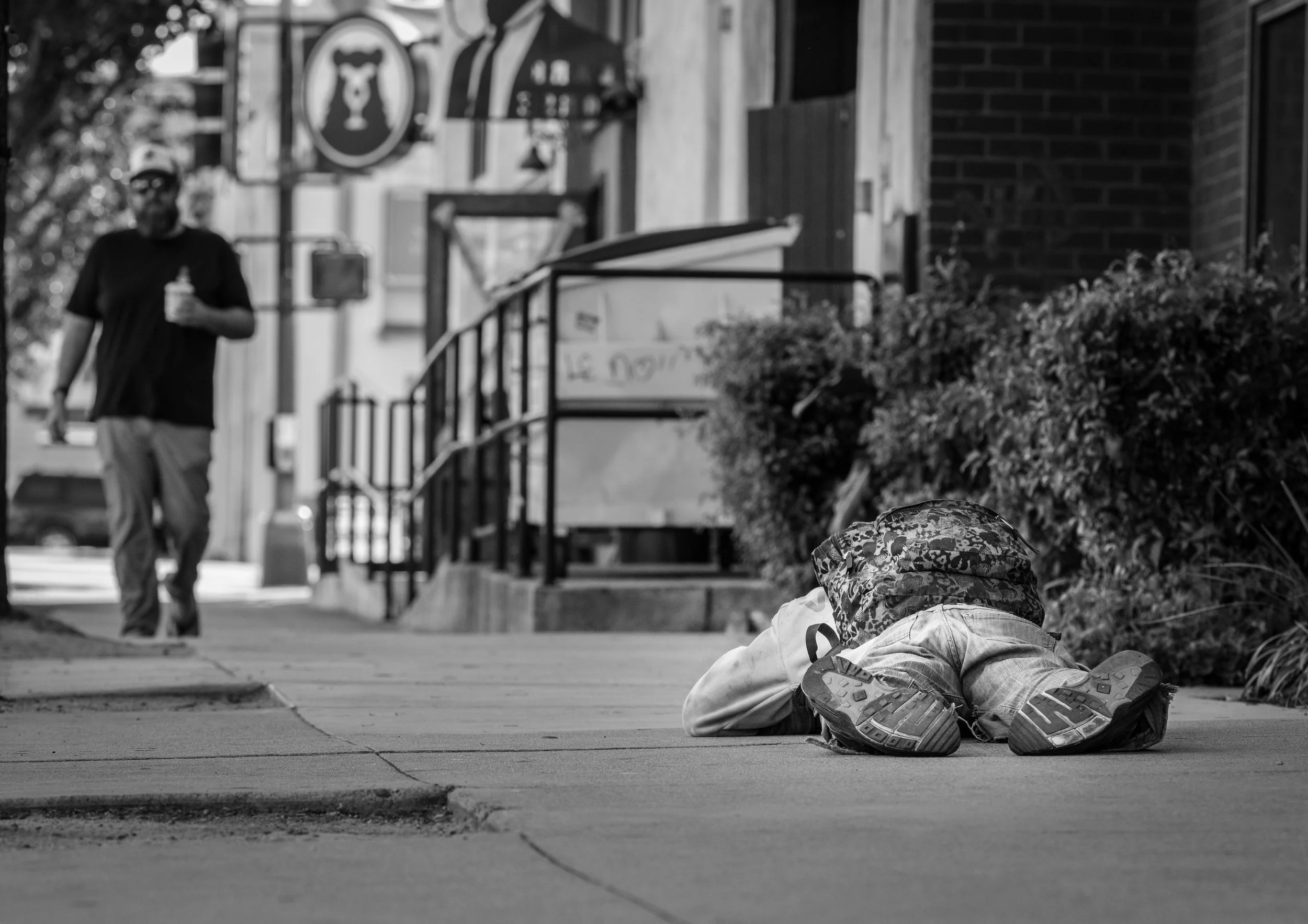
“Passed Out in North Park” (2016 Gary Buzel)
Those concerns are real. They matter. We are human and that comes with a base level form of compassion.
There is a difference between bearing witness and taking advantage. There is a difference between documenting hardship and reducing a human being to their pain. There is a difference between telling the truth and chasing shock value.
But I also think the statement “I don’t photograph people in compromised situations” can become too simple. Because human beings are not only worth photographing when they are comfortable. They are not only worth photographing when they are safe, polished, successful, happy, and socially acceptable.
My takeaway to this is if we refuse to photograph people in moments of vulnerability, then we erase a huge part of human history. We erase poverty. We erase war. We erase civil unrest. We erase addiction. We erase displacement. We erase grief. We erase the elderly, the sick, the poor, the forgotten, the working class, the broken, and the people who are living through circumstances that others may not want to see. Ok, it’s not literally erasing but rather avoiding.
That may feel compassionate on the surface. But sometimes, looking away is not compassion.
Sometimes it is avoidance.
So, Are You Art or Documentarian?
For me, my honest answer is both, and I do not think those two things are at war. The eye you train as an artist, for light, for gesture, for the decisive moment, is exactly what makes a documentary photograph land in someone's chest instead of sliding past them. Composition is not the enemy of truth. It is how truth gets remembered. The best documentary photographs are also, unmistakably, art. That is why they endure.
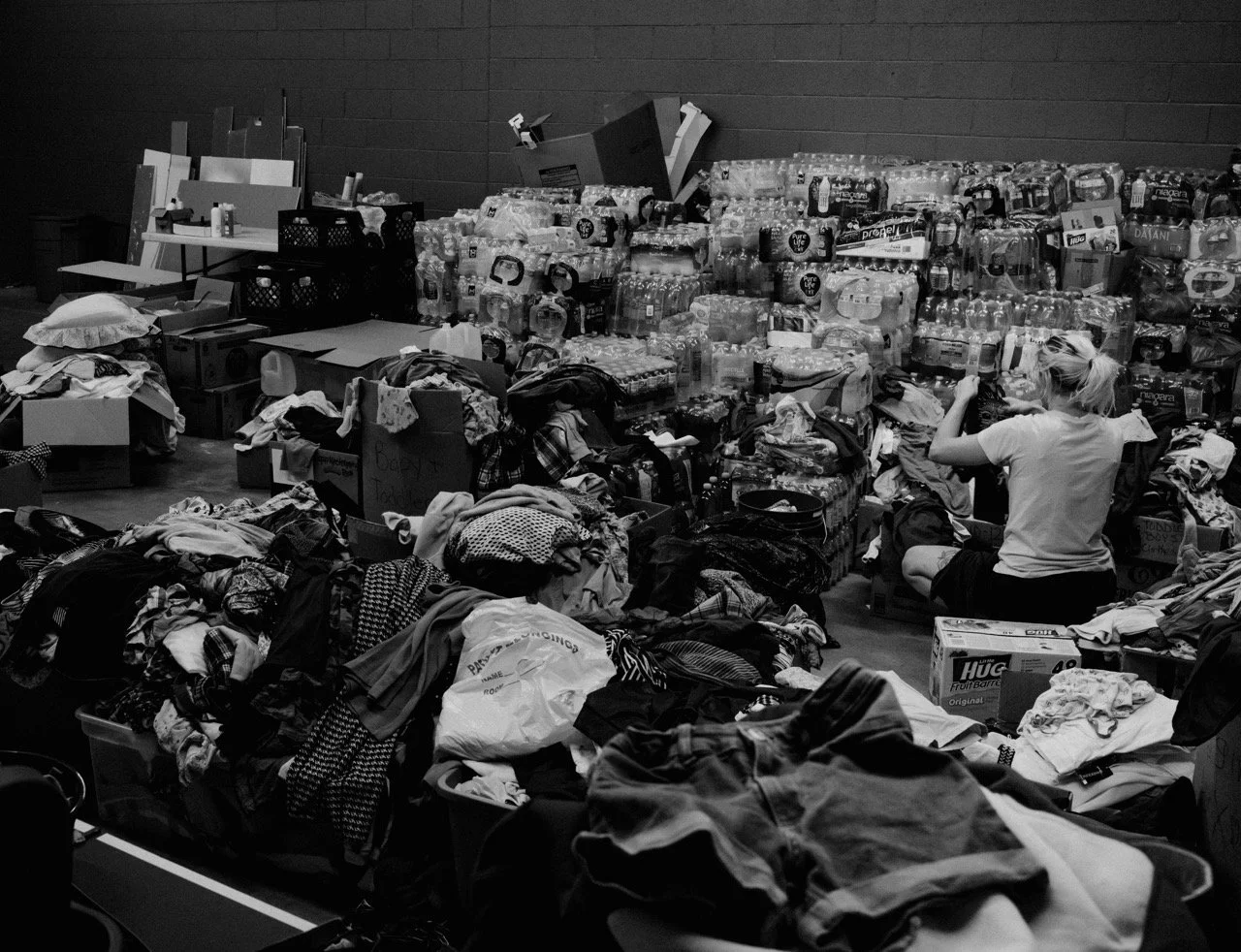
“Sorting Through” (Embreeville, TN Gary Buzel 2024)
So when someone asks what kind of photographer you are, I would gently push back on the idea that you have to pick a lane, and I would push back even harder on the idea that the compassionate choice is to keep your lens pointed only at the pretty things. Sometimes the most loving thing you can do for a person the world ignores is to make them impossible to ignore. Nick Ut understood that on a road in 1972. I understood it on the streets of New York and San Diego. And if a beautiful, empty landscape is the only thing your conscience will let you shoot, that is fine. Just do not confuse your comfort with the moral high ground. History is written by the people who were willing to look.
BOTTOM LINE: The Question Is Intent
The real ethical question is not simply whether a person is being photographed in a compromised or vulnerable situation. That matters, of course, but it is not the whole issue. The deeper question is why the photograph is being made in the first place.
Intent does not excuse everything, but it does reveal a lot. A photograph made to inform the public, preserve history, expose injustice, or show the dignity of someone who might otherwise be ignored is very different from a photograph made simply because suffering is visually dramatic. One comes from a desire to bear witness. The other risks turning another person’s pain into a visual opportunity.
That distinction is important. Documentary photography should never be treated as a free pass to exploit people. The photographer has a responsibility to think about dignity, context, consent when possible, and the consequences of publishing an image. The person in the frame is not just subject matter. They are not just evidence. They are not just a symbol of a larger issue. They are a human being whose life continues beyond the moment the shutter is pressed.
At the same time, the presence of suffering does not automatically make a photograph unethical. Some moments are painful because life is painful. Some situations are uncomfortable because the truth is uncomfortable. And in many cases, the photograph is what forces the world to pay attention. Without the image, the suffering may remain abstract, distant, or easy to ignore. With the image, it becomes human.
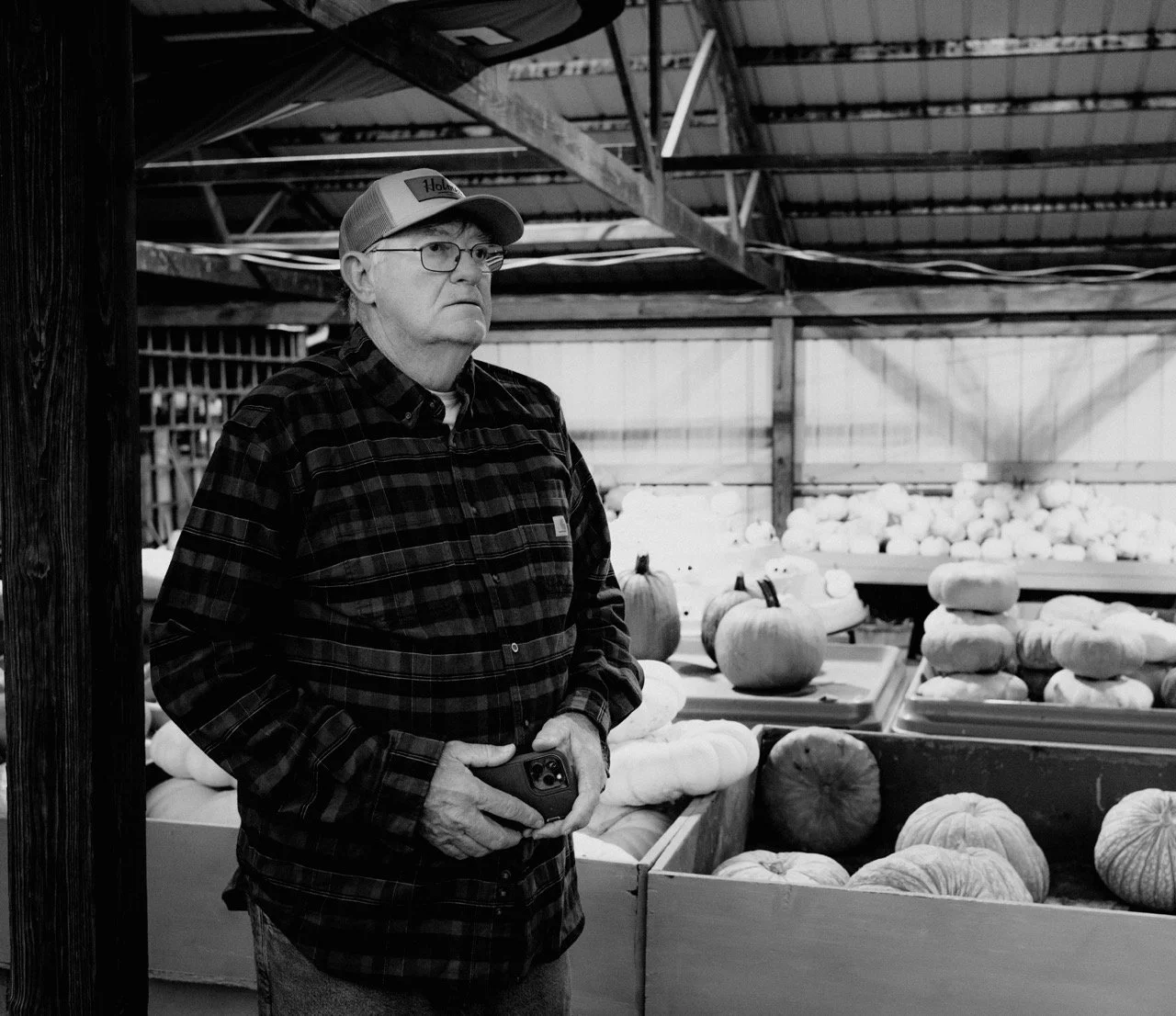
“Hurricane Helene Devastated Farmer” Chuckey, TN (2024 Gary Buzel)
The line between art photography and documentary photography is not always clean.
A documentary photograph can be beautifully composed. It can have extraordinary light, gesture, timing, and emotional depth. It can hang in a museum and still remain a document of real life.
An art photograph can also become a document. A street scene made for its composition may later become historically valuable because it shows a neighborhood, a fashion, a storefront, a car, a culture, or a way of life that no longer exists.
That is one of the magical things about photography. You may think you are photographing a person on a sidewalk. Fifty years later, someone else may see the clothing, the building, the street sign, the expression, the body language, and the entire social world around that person.
A photograph always contains more than the photographer intended.
Photographing With Conscience
None of this means photographers should be careless. In fact, the opposite is true. If you are going to photograph people in vulnerable or difficult situations, you have to take that responsibility seriously. The camera gives you access to moments that may be painful, private, or deeply human, and that access should never be treated lightly.
The goal should never be to dehumanize people or reduce them to symbols of suffering. A person experiencing homelessness is not just “homelessness.” A grieving parent is not just “tragedy.” A hungry child is not just “poverty.” These are human beings with full lives, histories, dignity, and complexity. The photograph should not strip that away just because the moment is visually powerful.
That is where intention matters. Are you making the photograph because it tells a necessary truth, or because suffering makes for a dramatic image? Are you trying to help the viewer understand something important, or are you using another person’s pain as an artistic opportunity? Those are uncomfortable questions, but documentary photographers have to ask them.
At the same time, we should not automatically assume that the most ethical choice is always to put the camera down. Sometimes the photograph needs to be made. Sometimes bearing witness is an act of respect. Sometimes showing the truth is more important than preserving everyone’s comfort. And sometimes the greater ethical failure is not taking the photograph at all, because silence can allow suffering, injustice, and history to disappear.
Comfort is not the same as virtue
This is the trap that a lot of art-centric photographers fall into. When you spend your career composing the perfect scene, you can start to believe that beauty is the highest calling of the medium, and that anything that disturbs the viewer has failed some basic test of taste. But photography was never only about beauty. From its earliest days it has also been a witness, a record, a way of forcing people to reckon with what they would rather ignore. To insist that the camera should only ever produce pleasant images is to strip it of half its power, and frankly of its conscience.
I am not arguing that documentary work is exempt from ethics. It is held to a higher ethical standard, not a lower one. You owe your subjects honesty about what you are doing. You owe them, when you can, their dignity and their humanity in the frame rather than cheap shock. You should ask yourself hard questions about consent, about context, about who benefits. Those questions matter enormously. But the answer to a hard ethical question is to do the work carefully and responsibly, not to refuse to do it at all. Walking away is not neutral. Walking away is a choice too, and it is the choice that guarantees the person stays invisible.
.
So What Type of Photographer Are You?
Every photographer eventually has to confront what they are really trying to do with a camera. Some photographers are drawn to beauty, mood, abstraction, and personal expression. Others are drawn to real life as it unfolds in front of them — unpolished, unpredictable, emotional, and sometimes painful. Many of us live somewhere between those two worlds. We care about light, composition, timing, and visual language, but we also care about truth.
To me, the most powerful photography often lives in that middle space. It carries the awareness of art, but also the responsibility of documentation. It understands that beauty can make an image memorable, but it also knows beauty should never become a shield that protects us from reality. A photograph can be well-composed and still tell the truth. It can be visually striking and still be honest. It can have artistic value without losing its obligation to the human beings inside the frame.
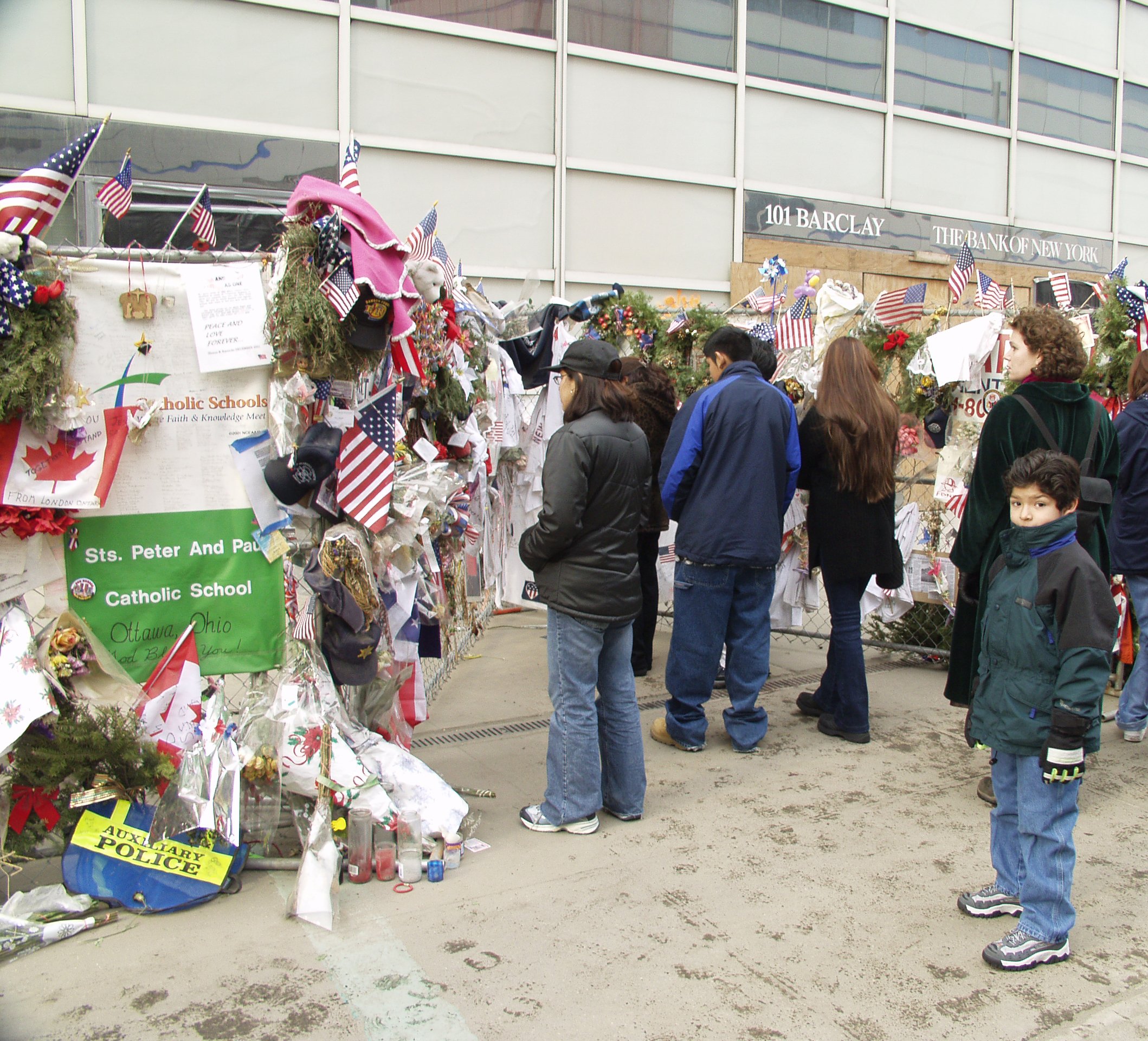
“WTC Remembrance” NYC (2001 Gary Buzel)
That is where photography becomes more than a visual exercise. It becomes a way of paying attention. It becomes a way of saying that ordinary lives matter, not just famous lives or comfortable lives or lives that fit neatly into something pleasing. People should not be photographed as props, as victims, or as objects for someone else’s portfolio. They should be seen as human beings moving through the full range of life: joy and adversity, celebration and tragedy, strength and vulnerability, survival and loss.
That is the human experience. It is not always clean. It is not always beautiful. It is not always easy to look at. But it is real. And if photography has any lasting value, maybe it is found in its ability to preserve that reality before it disappears. A photograph can say: this happened. This person existed. This moment mattered. This should not be forgotten.
That is why the camera matters. It is not only a tool for making something beautiful. It is a tool for preserving something true. And sometimes the truth is uncomfortable. Sometimes it asks more of us as photographers and as viewers. But those may be the moments when photography matters most — because when the world is tempted to look away, the photograph remains.
So I ask you again…. What kind of photographer are you? to create art? to document? or both?