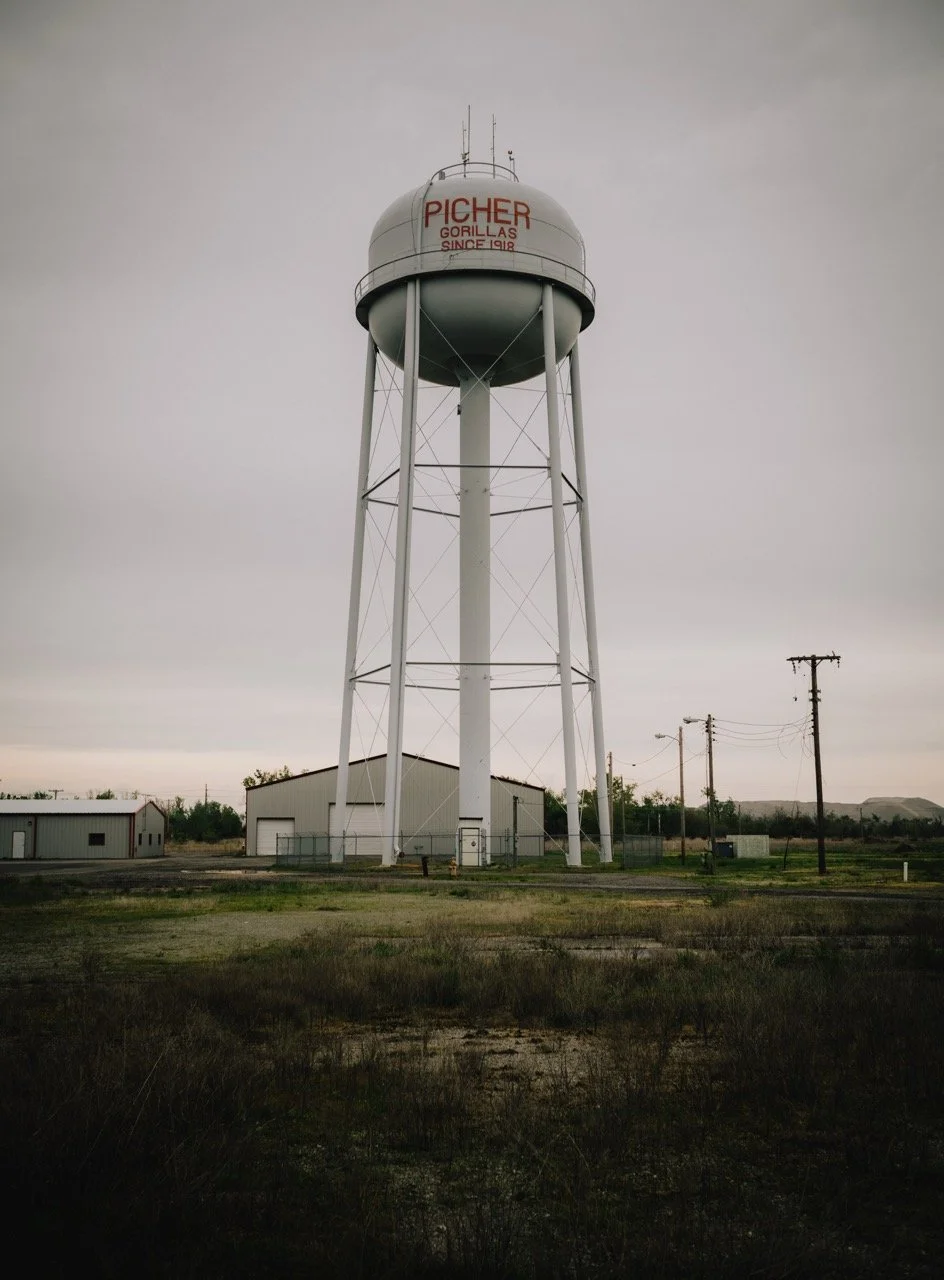
PICHER
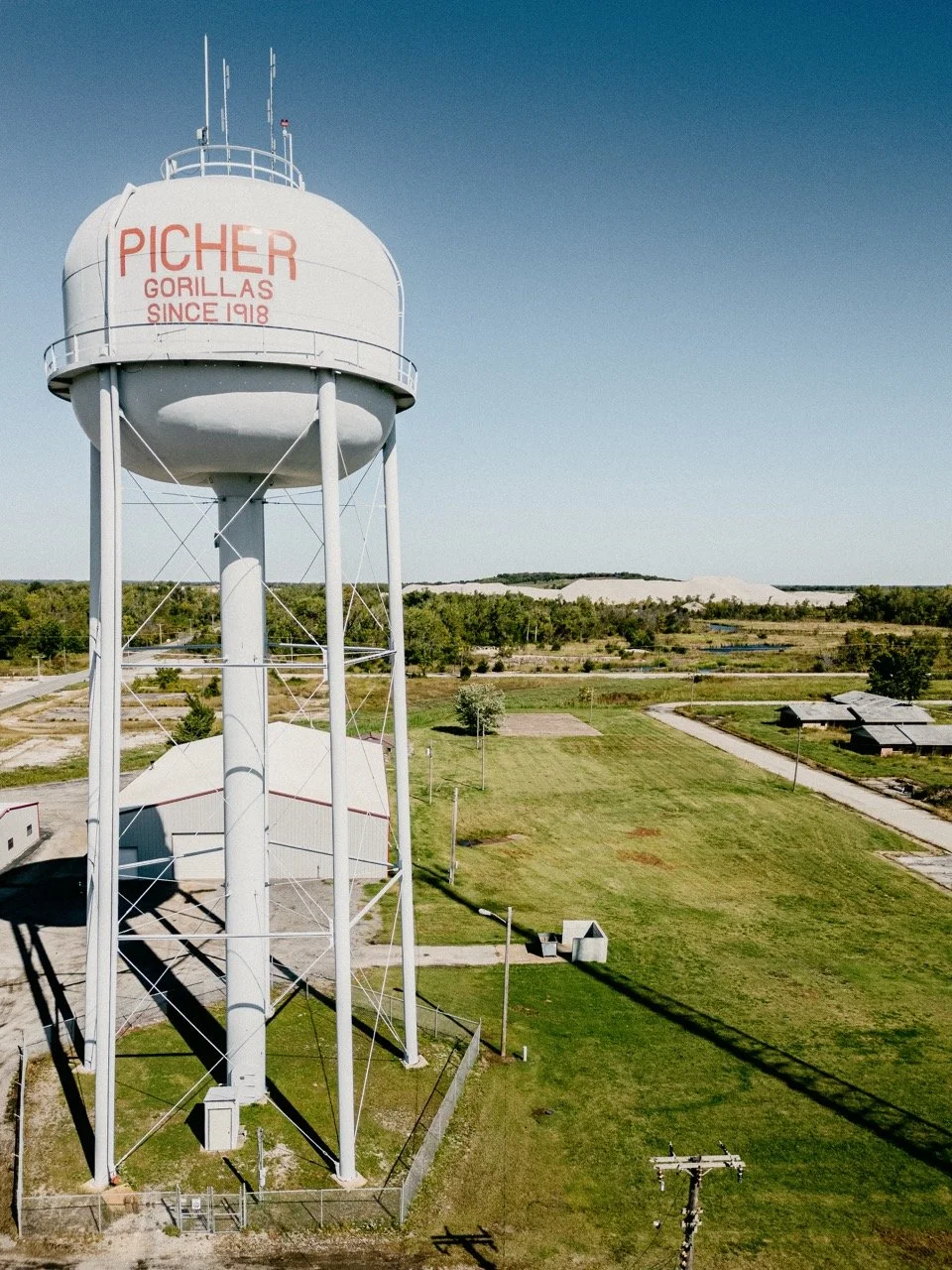
For half a century, Picher and Cardin Oklahoma sat on top of one of the richest lead and zinc deposits in the world. Founded in 1913 in the Tri-State Mining District, it grew to nearly 15,000 people at its peak. Its mines supplied much of the metal for American ammunition in both World Wars.
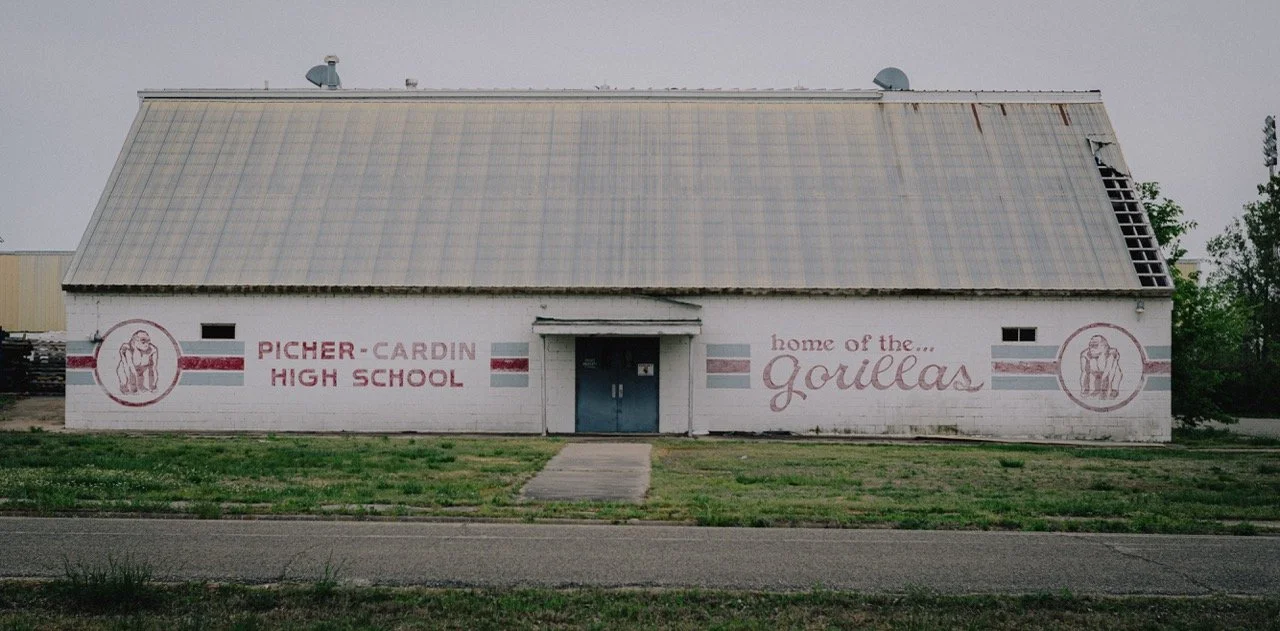
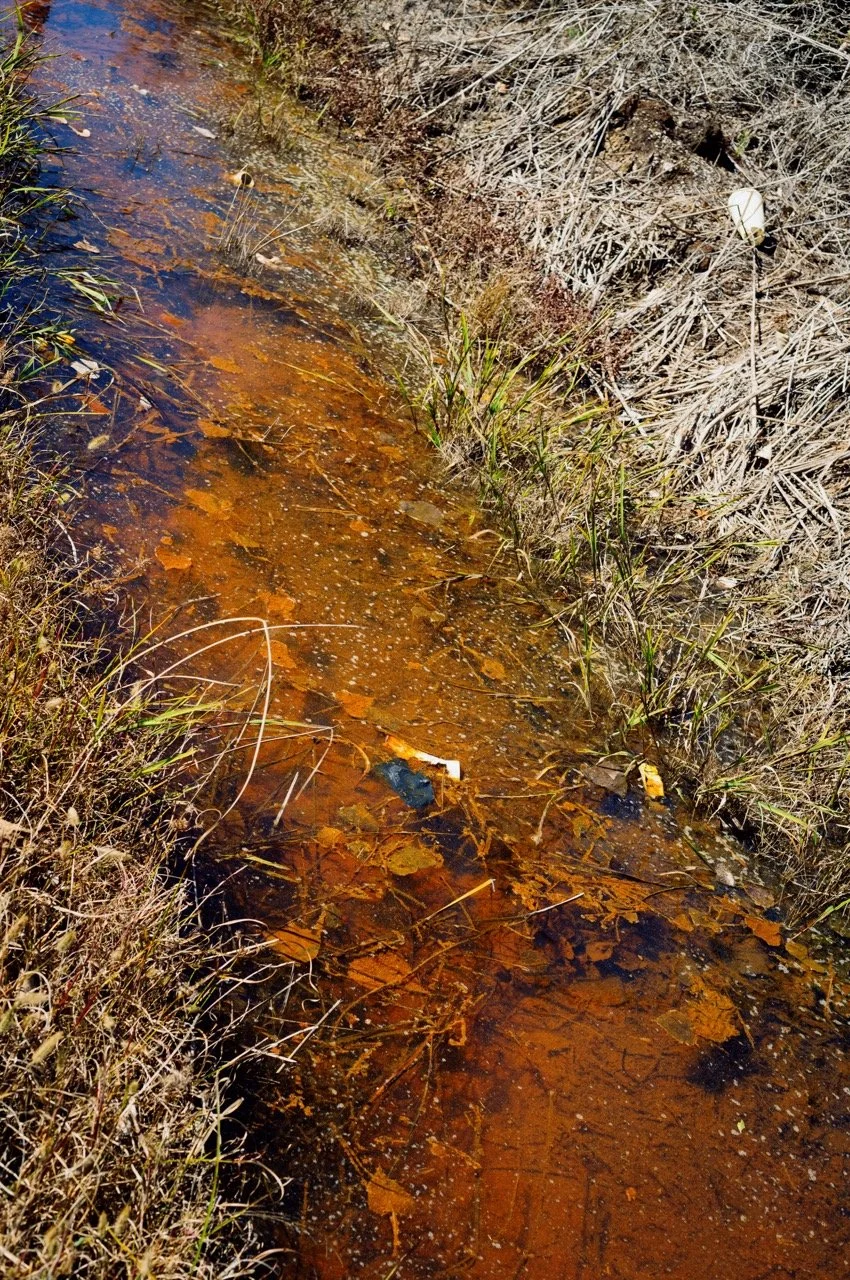
The wealth went out with the ore. What stayed behind were mountains of chat, the gray mine waste piled across the landscape, along with collapsing mine shafts and creeks running orange with acid water. Children here tested for dangerously high lead levels. In 1983 the area became part of the Tar Creek Superfund site, one of the most contaminated places in the country. A federal buyout emptied the town, and in 2008 a tornado tore through what was left. Picher dissolved as a town the following year.
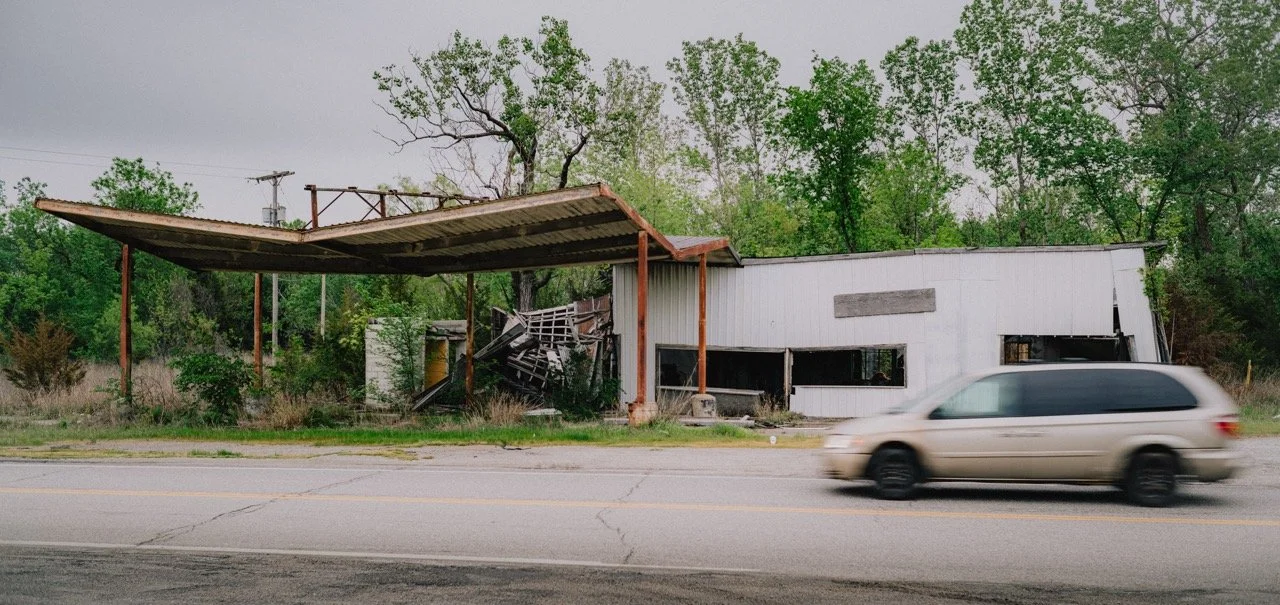
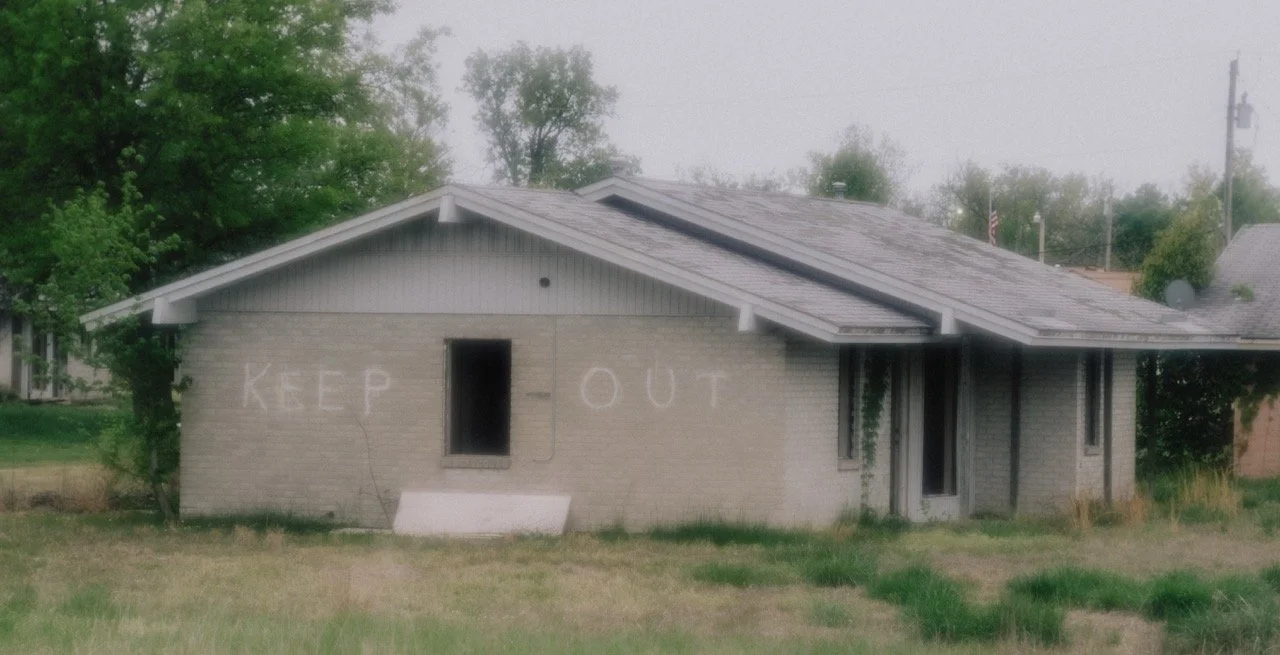
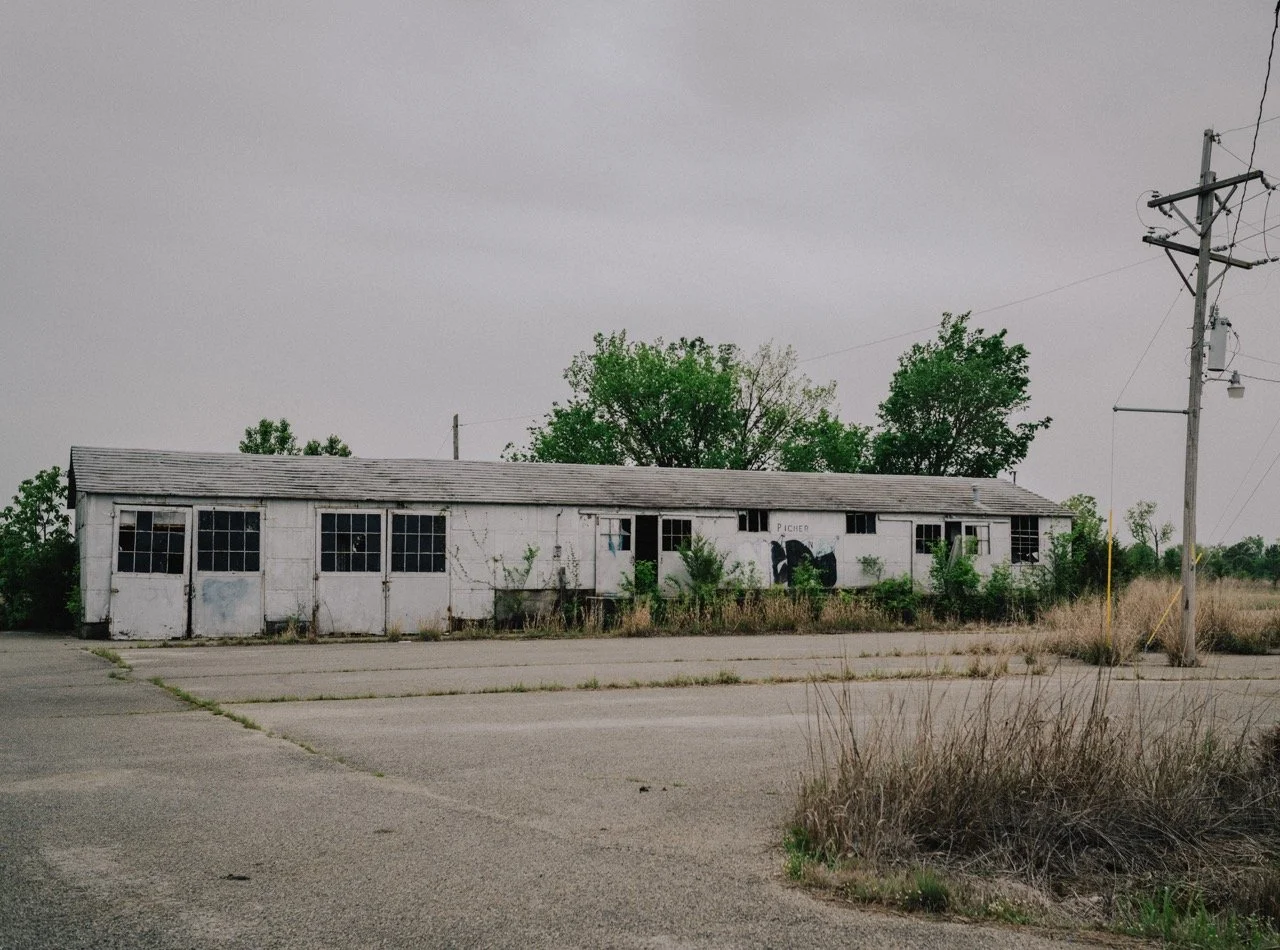
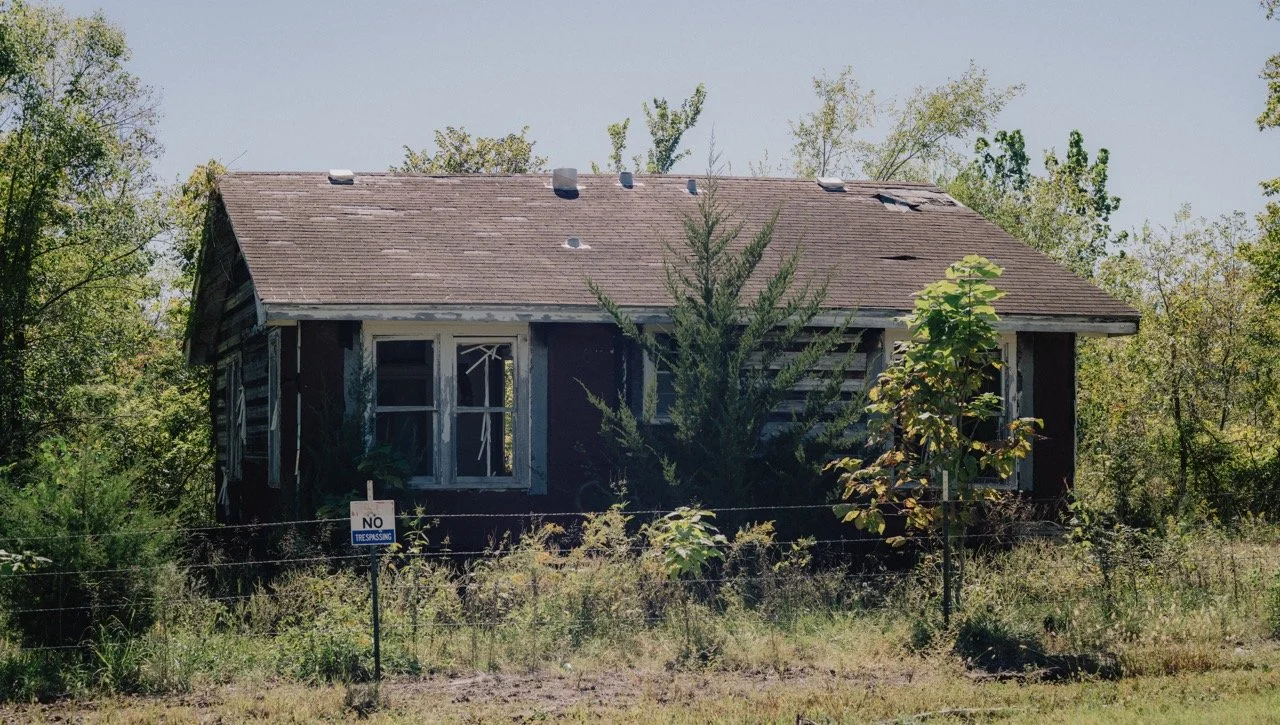
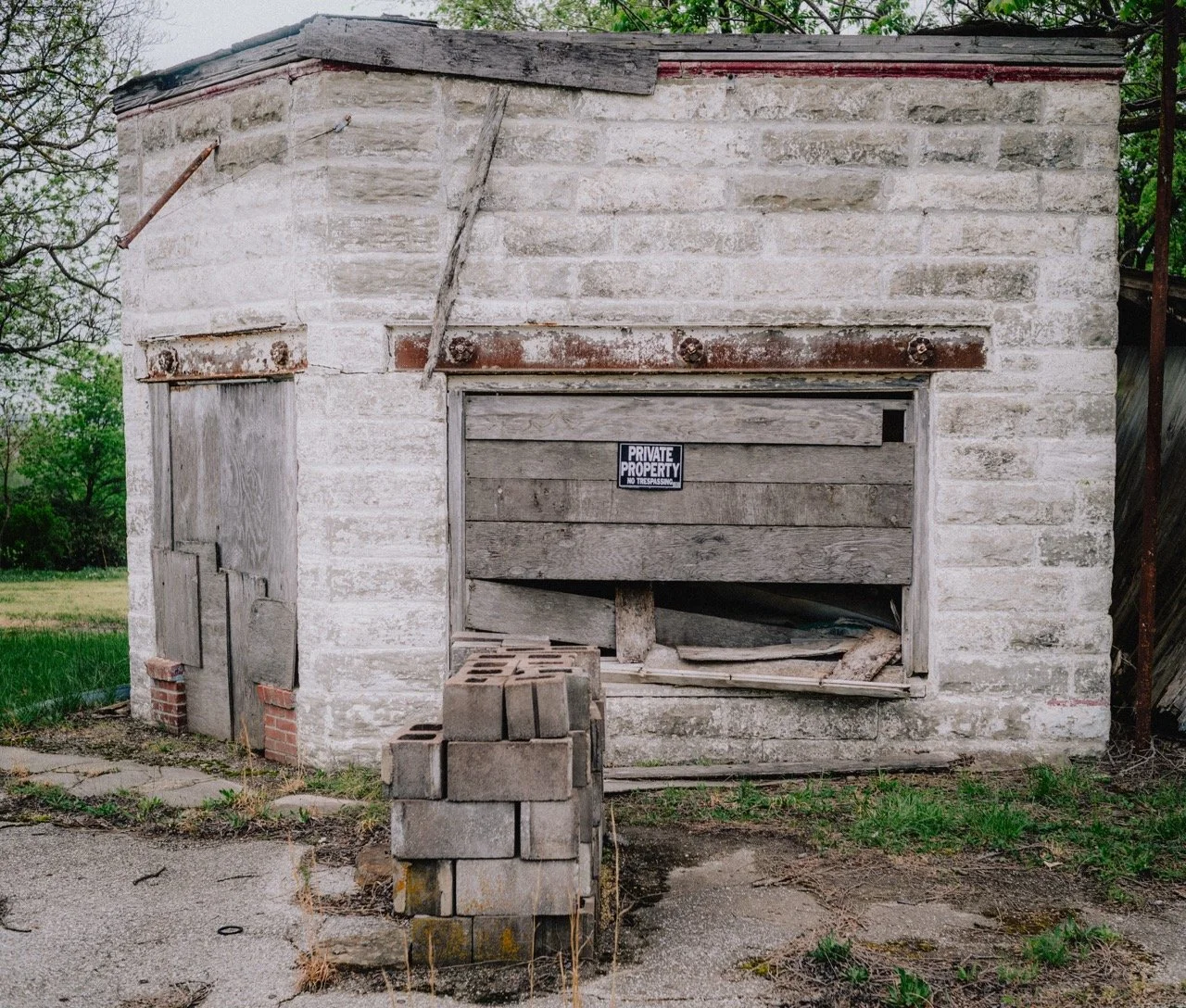
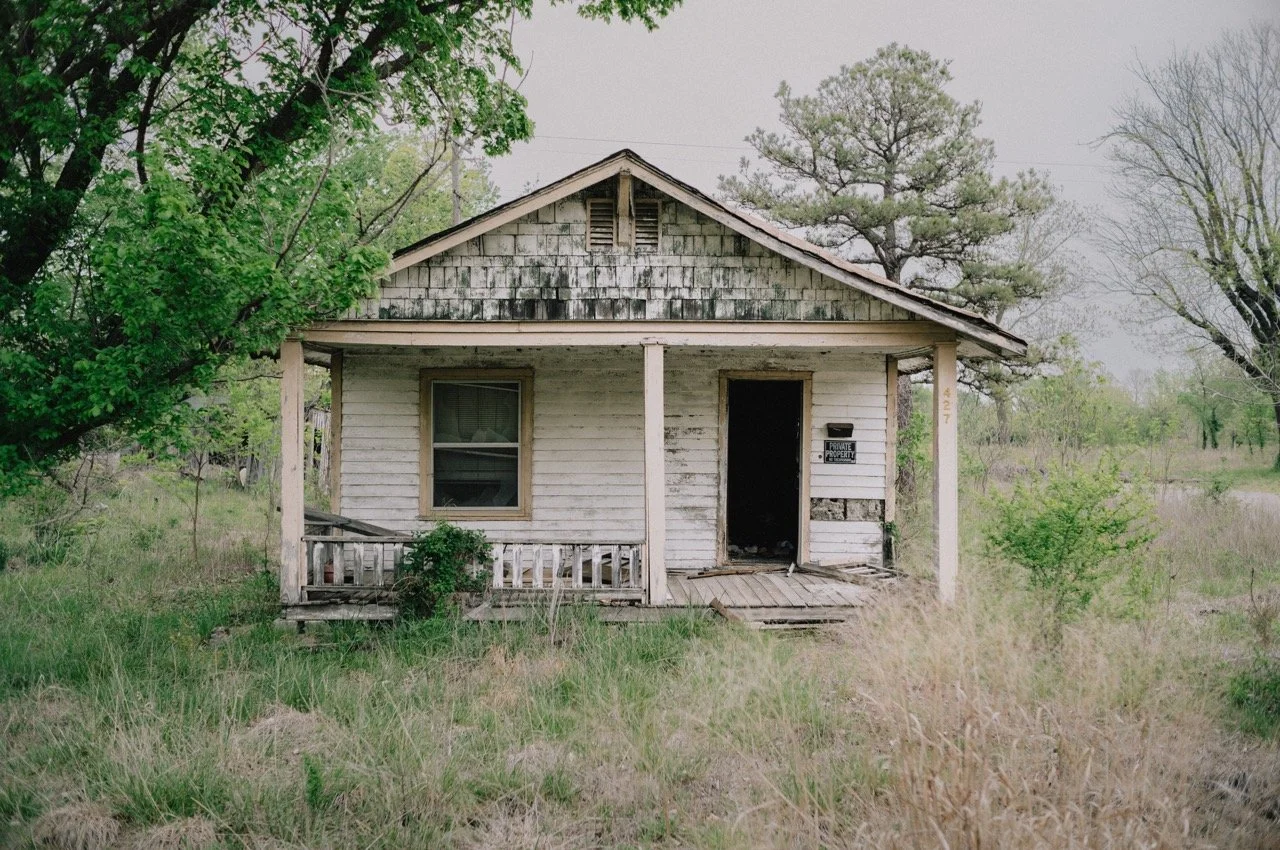
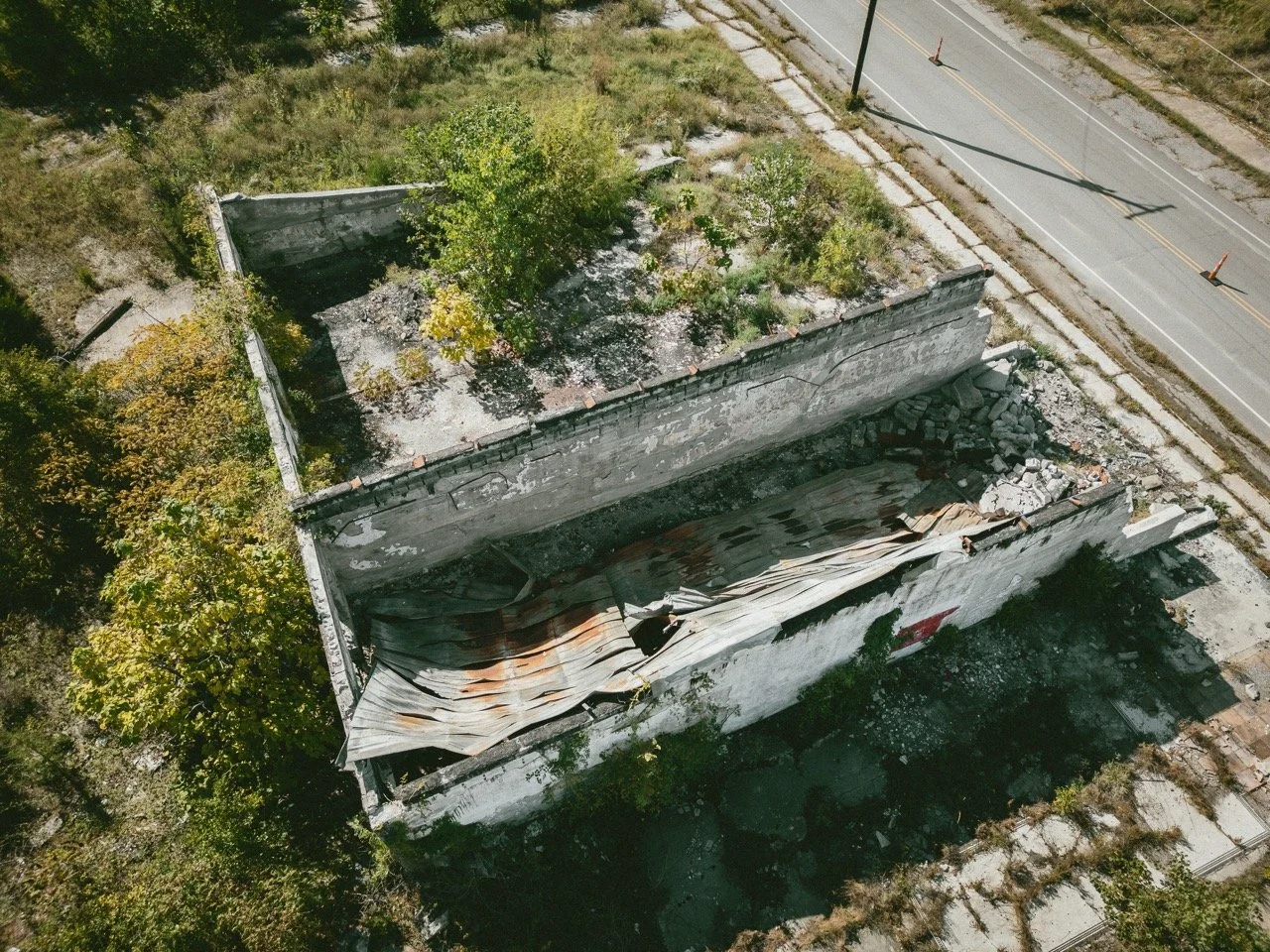
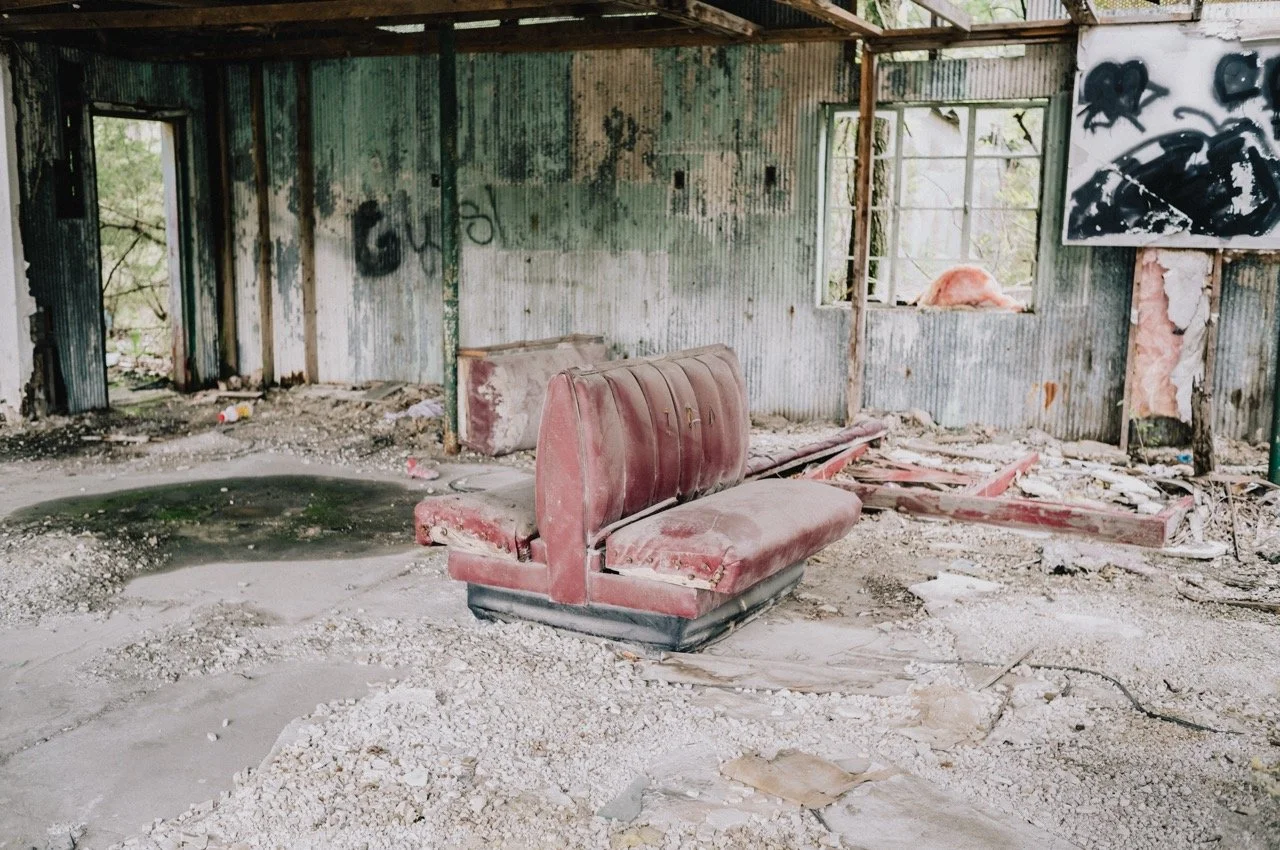
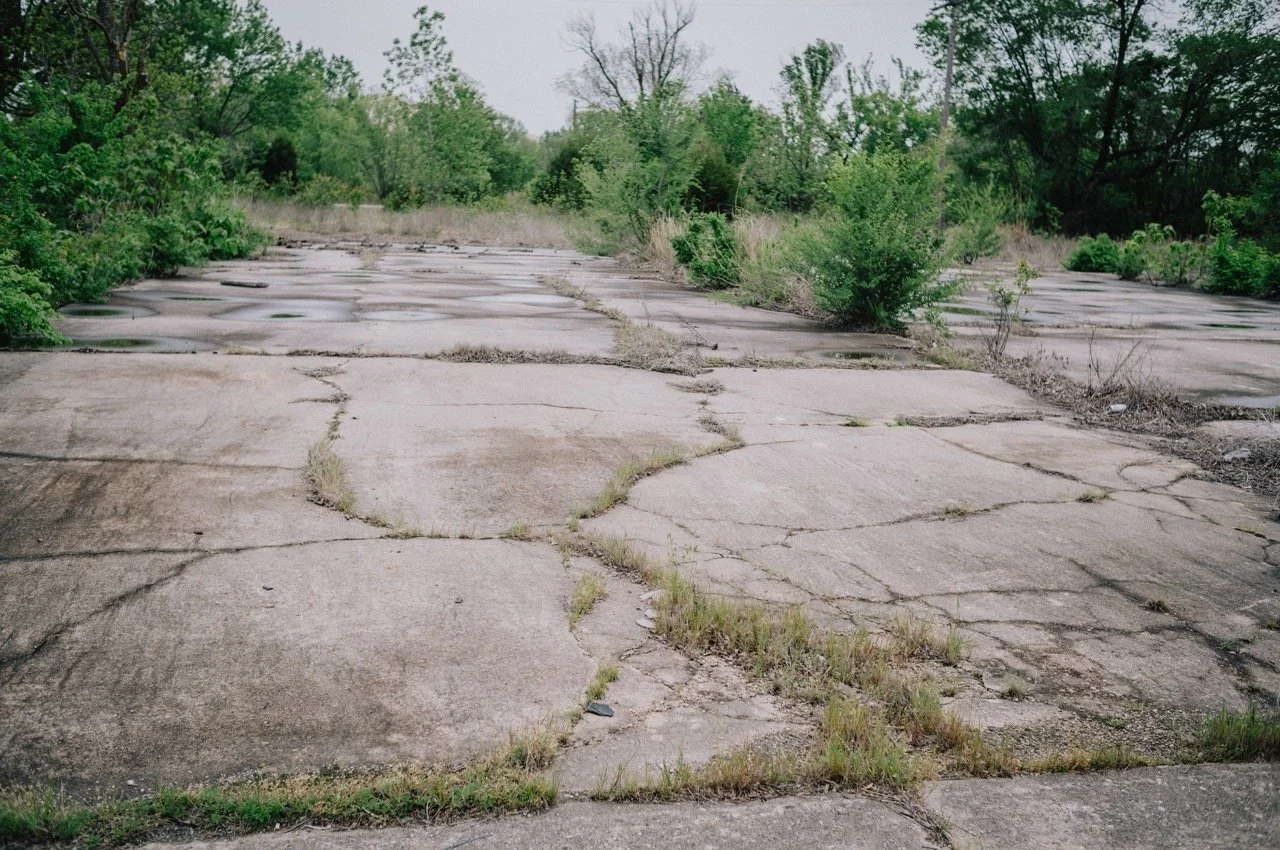
Today it’s a quiet place. Streets lead nowhere. Foundations sink back into the grass. The chat piles rise like dunes against the Oklahoma sky, oddly beautiful from a distance and poisonous up close. The landscape is calm in a way that hides what happened here. Photographing Picher means working with that tension: the beauty of light on the ruins against the cost written into the ground. Picher was their premiere of Geography of Consequence.
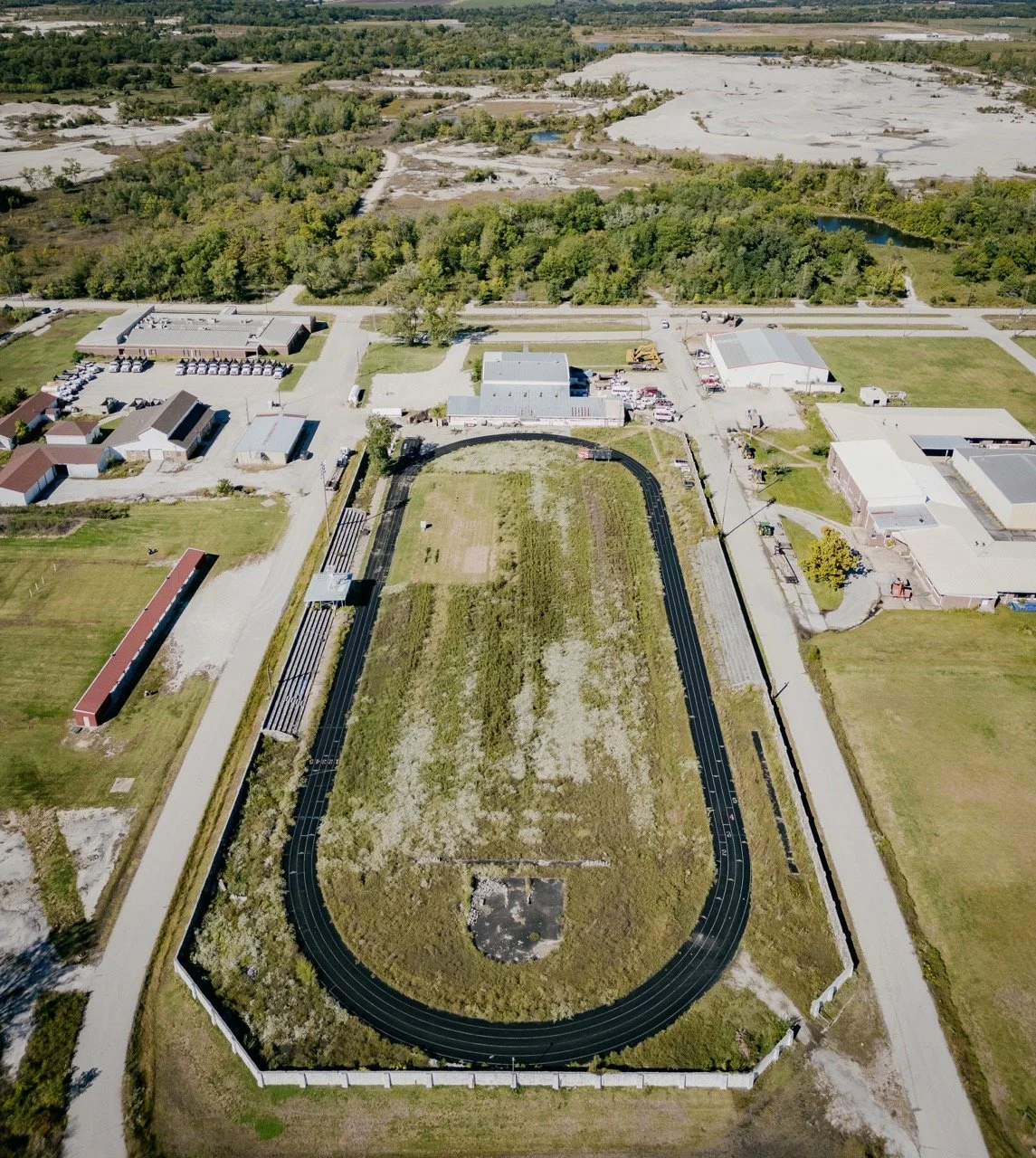
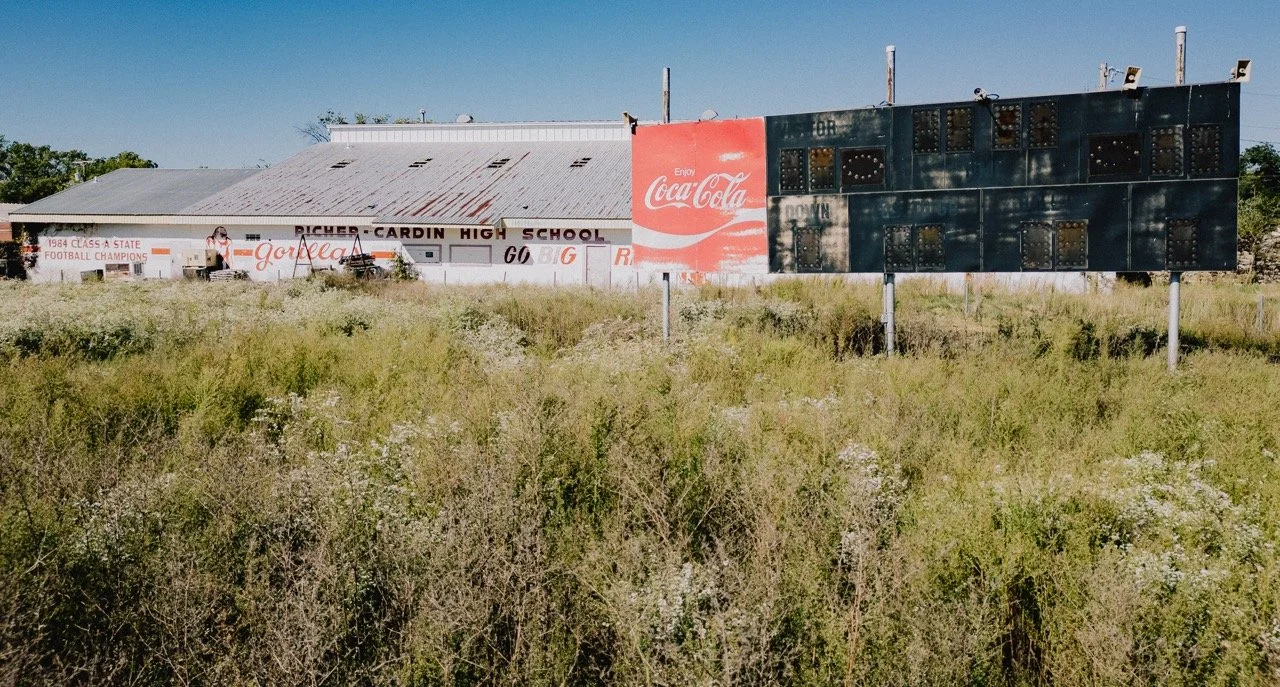
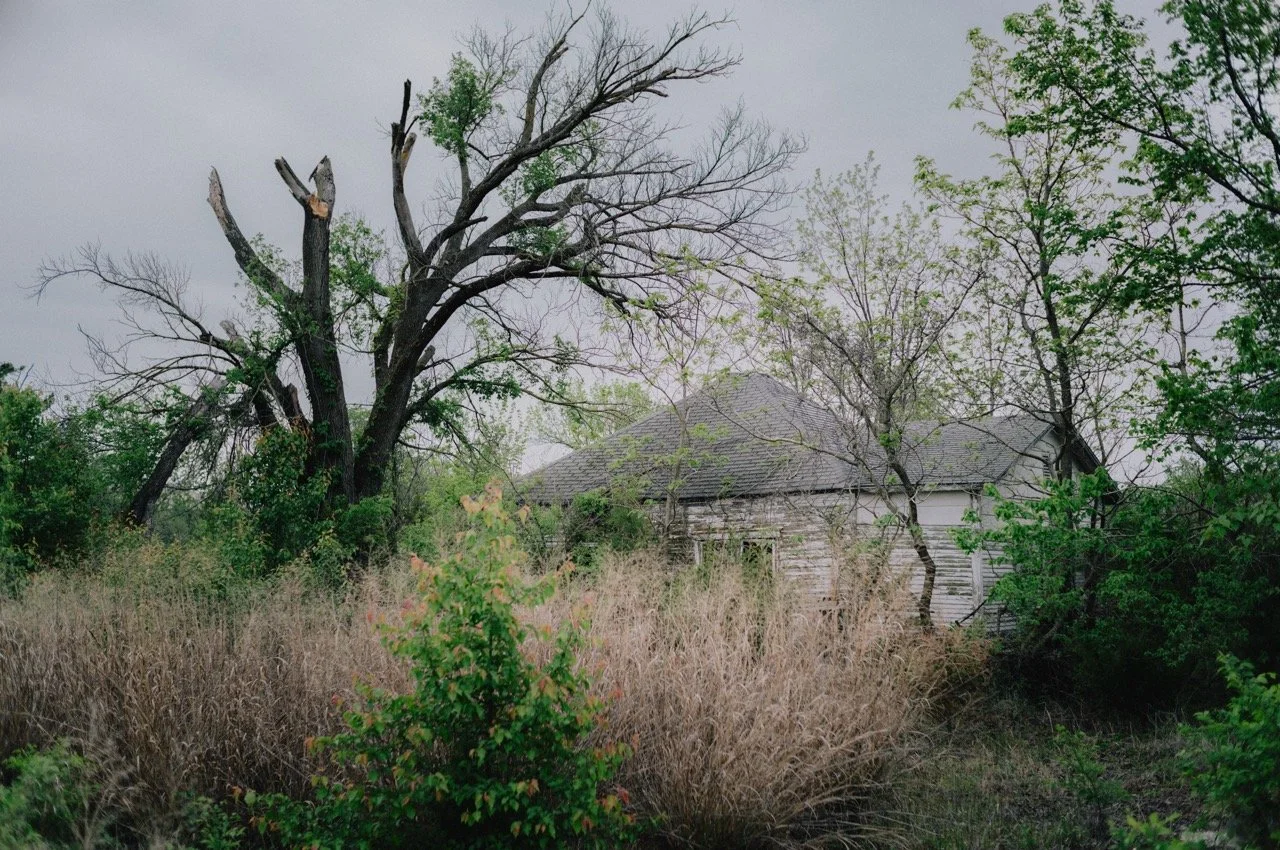
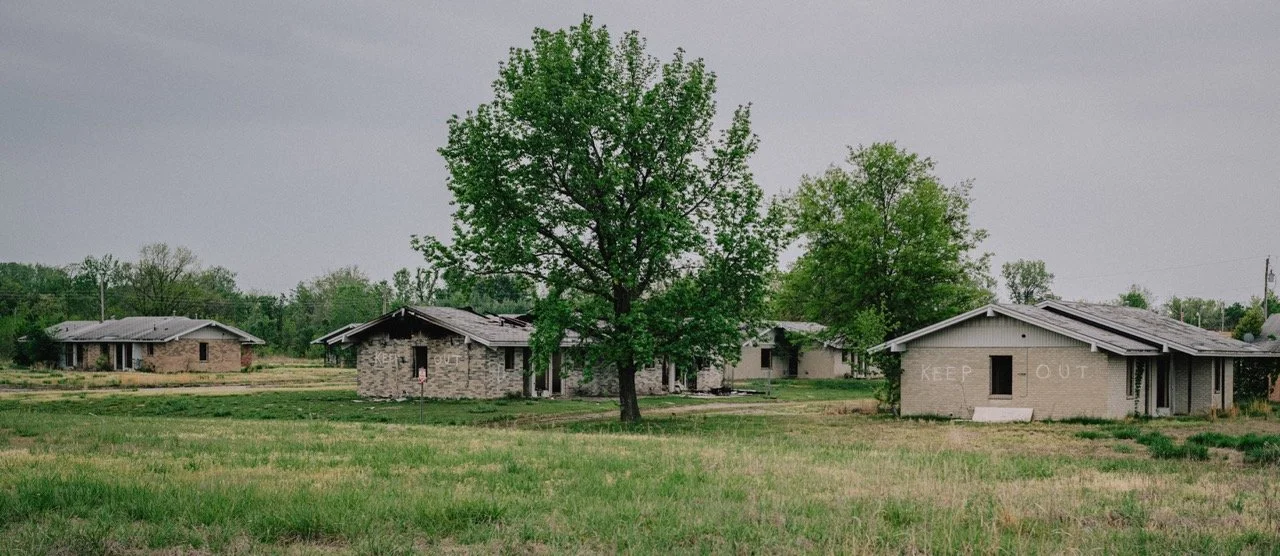
Picher - The Town is Literally Poisoning Their Residents
2026 - Gary Buzel